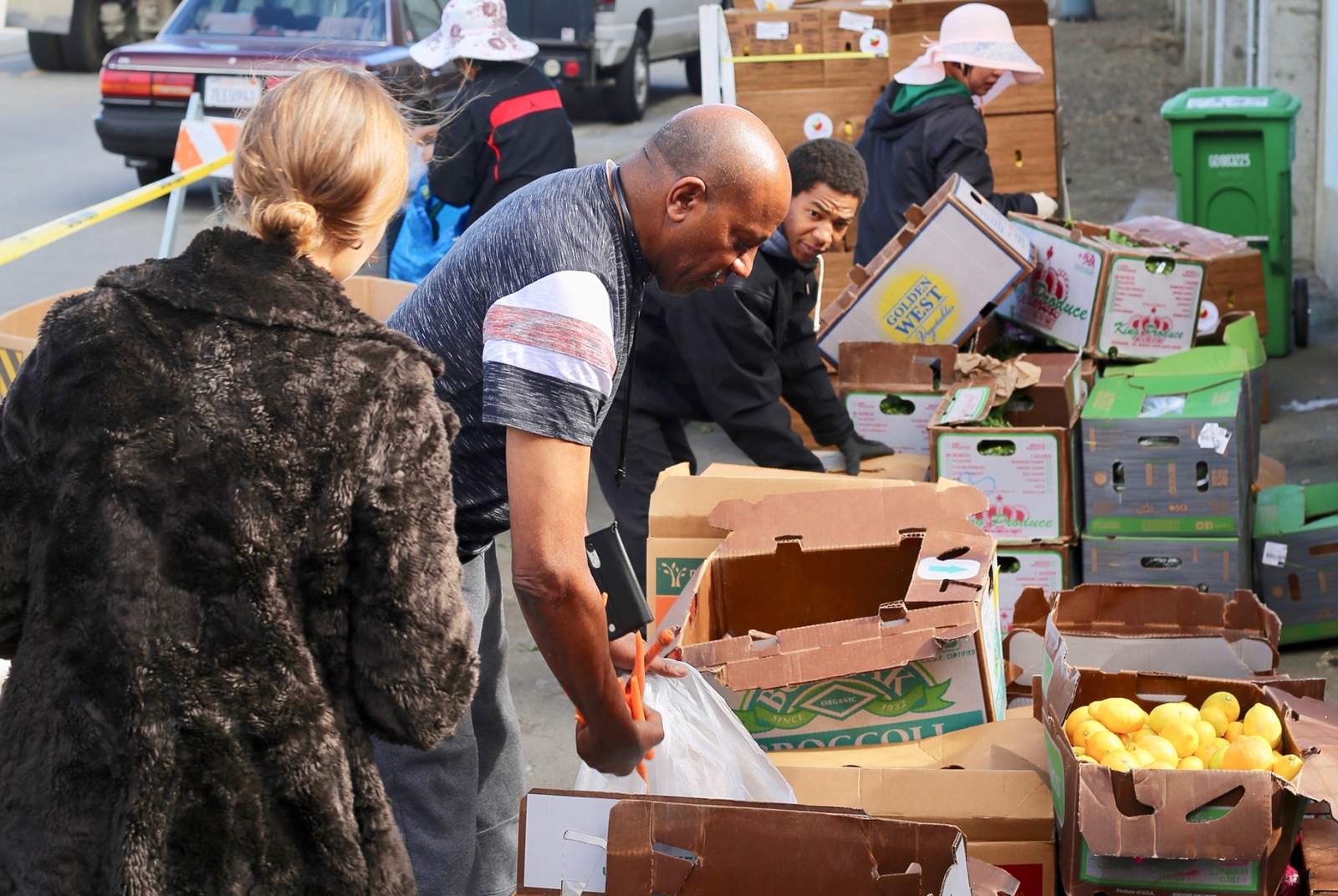
Climate solutions can take many forms. For the past 25 years, San Francisco’s composting program has played a mighty role in reducing harmful greenhouse gas emissions. The food scraps that residents and businesses deposit into the City’s green compost bins are diverted from the landfill, where they would otherwise produce harmful methane gas 84 times more potent than carbon dioxide. Instead of harming the climate, composted food scraps become nutrient-rich fertilizer that benefits local farmers and vineyards.
But composting doesn't solve the food waste problem—and it’s a big one. In the United States alone, nearly 40 percent of all food produced goes to waste. While San Francisco does a great job of composting (we collect more than 550 tons per day in our green bins), a 2020 study commissioned by the City found that over 12,800 tons of potentially donatable food goes into our composting or landfill bins. To help tackle food waste, the San Francisco Department of the Environment looked beyond the compost pail–or before it–and launched the Kitchen Zero SF program.
Kitchen Zero SF focuses on food waste generated by the City’s businesses and other large food generators. The program helps ensure that any unused food is properly matched to food donation organizations that serve the San Francisco community. It also helps businesses get a head start on meeting the targets defined in Senate Bill 1383, a state law aimed at ensuring at least 20 percent of disposed edible food is rescued by 2025. Since the launch of Kitchen Zero SF in 2019, the program has helped recover more than 418,000 pounds of food and get 348,000 meals distributed to community members in need.
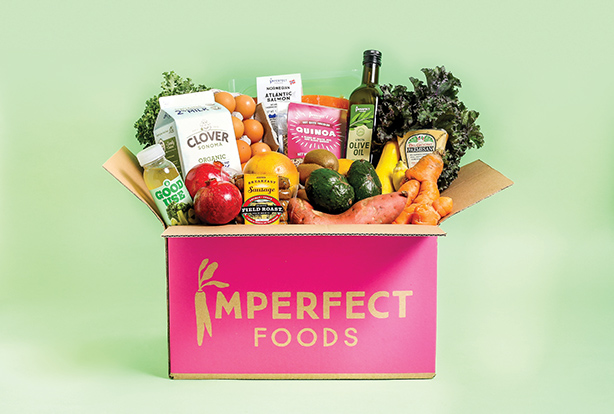
Imperfect Foods, an online grocer, is a large food generator that opted into Kitchen Zero SF to maximize their food recovery and help the food insecure. The company’s mission closely mirrors the program’s goals; it partners with over 250 farmers and producers to reduce waste across the entire supply chain and since 2015 has saved over 145 million pounds of food from going to waste.
As a Kitchen Zero SF participant, Imperfect Foods tracks and donates surplus food using food donation matching software from program partner Replate, which also offers food transportation to local charitable organizations. Maddy Rotman, Head of Sustainability at Imperfect Foods, described what program participation means to the company. “We are so proud to partner with Kitchen Zero SF to improve food security in our San Francisco community and have donated over 70,000 pounds of food this year.” She added, “Partnering with Kitchen Zero SF is a crucial part of our goal to increase food security and build a better food system.”
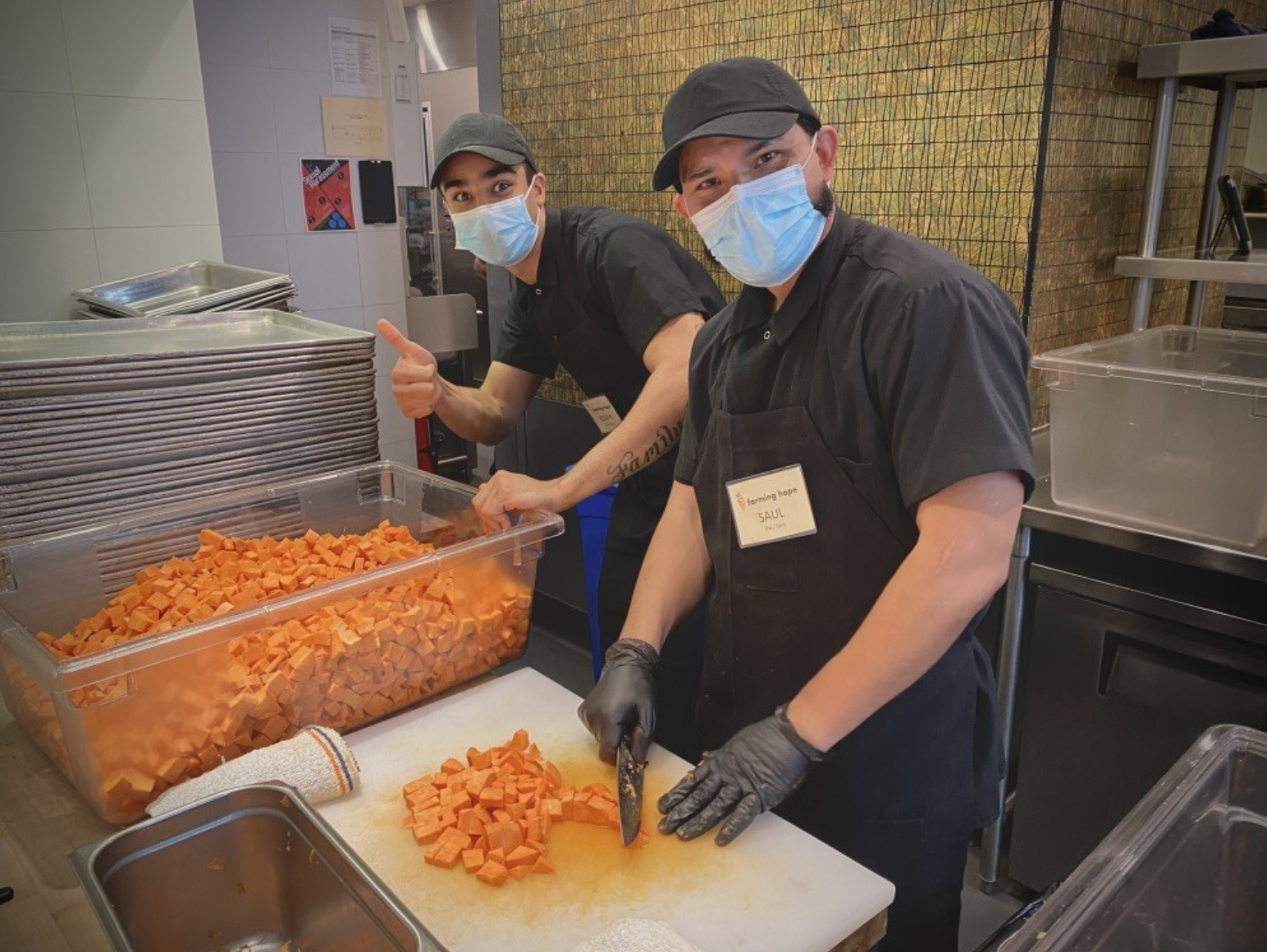
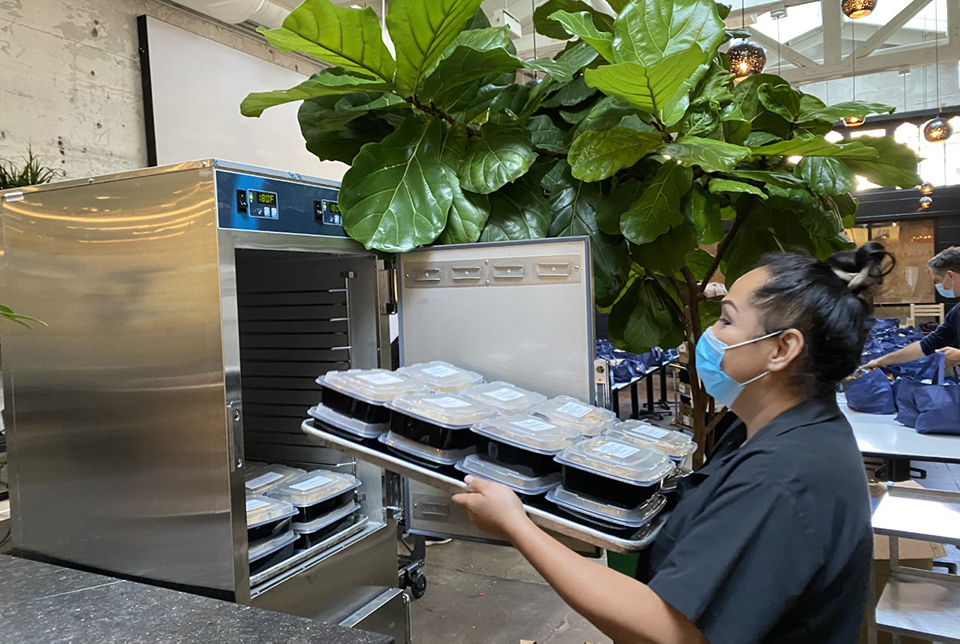
Replate matched Imperfect Foods to Farming Hope, a garden-to-table job training program for the formerly incarcerated or homeless. Since the beginning of 2021, Farming Hope has cooked and served 57,000 hot meals made with equipment funded by a $9,000 grant from the Kitchen Zero SF program. Farming Hope currently provides meals to the community by delivery only, but plans to welcome unhoused families at Refettorio SF, their food hub in Hayes Valley, once COVID-19 regulations permit.
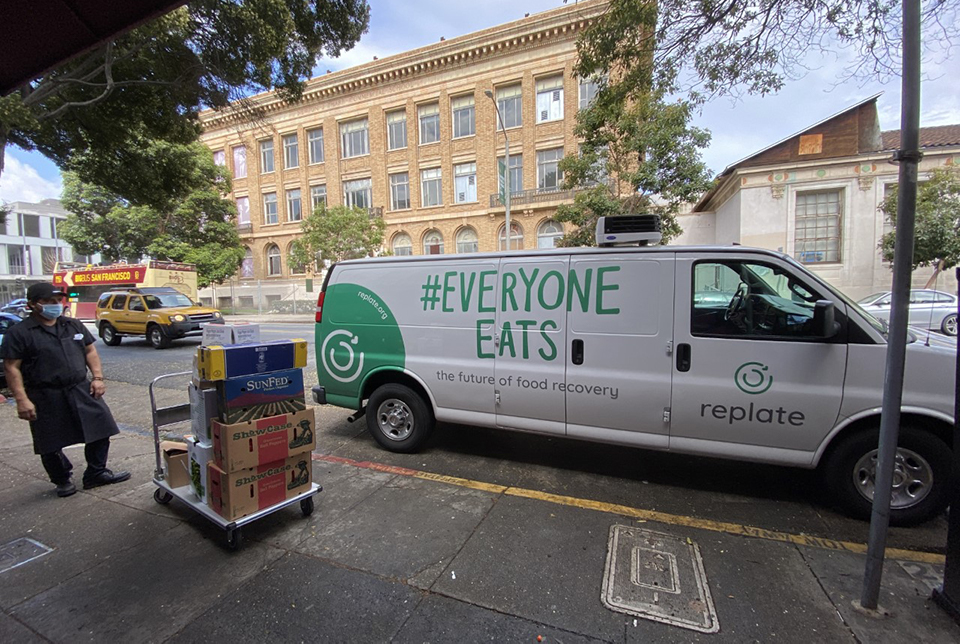
In July and August of 2021, Imperfect Foods donated over 12,000 pounds of food, some of which was distributed to Farming Hope. Andie Sobrepeña, Farming Hope Operations Director, oversees day-to-day operations at the organization’s two locations–Manny’s, a community space and restaurant in the Mission, and Refettorio SF. She shared, “We are so proud to be part of Kitchen Zero SF. Together we’re positively impacting San Francisco by providing culturally relevant meals to our food-insecure neighbors, while simultaneously helping our Apprentices gain culinary and life skills to prepare them for employment.”
The high tonnage of recovered food and meals distributed in the two years since Kitchen Zero SF’s launch foreshadows what all of California can anticipate under Senate Bill 1383. Aimed at reducing the production of methane and helping the state achieve its climate goals, Senate Bill 1383 will require large food generators to donate surplus edible food they would otherwise compost or landfill to food programs. As Senate Bill 1383 is implemented in phases starting in January, other cities can look to Kitchen Zero SF as a successful model to replicate.
Take Action:
Interested in supporting the San Francisco community and helping to prevent food waste? Volunteer with Farming Hope for meal distribution, grocery bag packaging, and meal delivery. Visit farminghope.org.