Since the early 2000s, San Francisco has implemented innovative policies to reduce waste and move towards a culture of reuse. The City’s efforts have encouraged local and national change, reshaping people’s relationships with single-use materials, with hopes to move to a plastic-free future.


There was once a time when every grocery store trip ended with a handful of plastic bags. Today, bringing your own bag is the norm to protect the planet and save money. But that change didn’t happen overnight. Through local policies, community education, and partnerships with businesses, San Francisco has changed how people think about their relationship with plastic.
Unfortunately, plastic is part of our everyday lives, which is why we need to continue to reduce our reliance on single-use items. San Francisco is working towards a plastic-free city by building a future on reuse and repair.
On this page:
- San Francisco's role in reducing plastic pollution
- Not all plastics are created equal
- How plastic affects our health
- What's next: from reduction to reuse
San Francisco: The first city in the nation to ban plastic checkout bags
San Francisco has been a leader in reducing waste for more than two decades. In 2007, the City became the first in the nation to ban single-use plastic checkout bags. The policy inspired similar laws across California and beyond.
Since then, San Francisco has continued to expand programs that reduce single-use and encourage reuse. Policies have restricted certain plastic foodware accessories, eliminated plastic pre-checkout bags, required recycling and composting, and supported residents in expanding the life of items.
And there is more to do. As industry and consumer choices evolve, the topic of sustainability continues to evolve and adapt. Ultimately, these efforts recognize that reducing waste requires new systems that make sustainable choices the easy choice!
Not all plastics are created equal
Plastic is everywhere and it can often feel like the only option. But not all plastic is the same. Some plastic products are designed to be used once and thrown away. Others, like reusable food containers and durable water bottles, can help reduce single-use and conserve resources over time.
The goal isn't simply to eliminate every plastic product. Instead, San Francisco is working to reduce unnecessary single-use items while encouraging reuse whenever possible. Choosing durable, toxic-free products helps reduce the demand for new materials and supports a more circular economy.
What is plastic and how is it made?
Most plastic starts deep underground as fossil fuels, like crude oil and natural gas. These materials are extracted from the earth and processed into products we use every day, including bottles, food packaging, and clothing. The environmental impacts begin at the extraction stage, where ecosystems and natural habitats can be disrupted, and continue through manufacturing, which generates greenhouse gas emissions. Consequently, the production of plastic contributes to both resource depletion and climate change long before products reach consumers.
Why is plastic everywhere?
The first fully human-made plastic was invented in 1907. It was cheap, strong, and easy to shape into almost anything. After World War II, plastic production expanded rapidly and replaced materials like glass, metal, and paper in many products. Its lightweight material lowered shipping costs and eliminated the risk of products breaking during transit. This advantage gave rise to the new single-use culture, where big corporations expanded their businesses and consumer habits shifted from reusing and repairing to instant disposal.
Plastic was originally designed to last, but many products are now used for only a few minutes before being discarded. As plastic pollution increased around the world, cities like San Francisco began exploring ways to reduce unnecessary plastics and promote reuse instead.
What are the different types of plastic and their recyclability?
Have you ever seen a number inside a triangle on the bottom of a plastic item? That number tells you what kind of plastic was used to make that item. Just because an item is made out of plastic does not automatically mean it can be recycled.
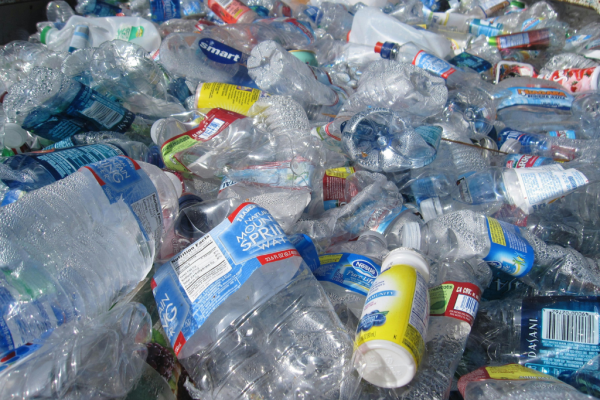
In San Francisco, rigid plastics like milk jugs, detergent bottles, yogurt tubs, and food containers can go in the blue recycling bin. Plastic bags, wrappers, and other flexible plastics should be taken to designated drop-off locations. Understanding the difference helps keep recyclable materials out of the landfill.


How does plastic affect the health of our planet and communities?
Plastic pollution negatively affects the environment, public health, and local economies. Reusing and recycling helps reduce exposure to harmful chemicals, prevents waste from ending up in oceans and landfills, and protects local wildlife.
Environmental impacts
Oil and natural gas extraction often releases methane. Plastic production creates greenhouse gas emissions because it relies on fossil fuels. Once discarded, plastic can pollute waterways, neighborhoods, and marine environments.
Unlike food scraps and paper, plastic does not decompose or give nutrients back to the earth. Instead, it slowly breaks down into tinier pieces called microplastics that remain in our water, soil, and air for hundreds of years.
Health concerns
Some plastics contain chemicals that may pose health risks, such as respiratory illness, hormone disruption, chronic disease, and cancer. Researchers continue to study how exposure to plastic affects human health. Reducing unnecessary plastic use and choosing reusable alternatives help support healthier communities.
Economic costs
Plastic pollution comes with financial costs. Communities spend money collecting litter, processing waste, and maintaining public spaces affected by pollution. Investing in prevention programs and reuse systems helps reduce these costs over time.
What’s next: from disposal to reuse
San Franciscans use about 300 million disposable cups each year. The City is leading change by encouraging residents to refuse items they don’t need and reuse what they already have.
SFE works with restaurants to switch to reusables for dine-in services. Similarly, at cafes and boba shops, we encourage customers to bring their own reusable cups. The Department also supports big venues to explore ways to cut back on single-use items. There are so many ways to get involved in the reuse movement!
What can residents do to reduce plastic pollution?
Reducing the use of plastics locally can make a global impact.
- Choose reusables: Bring your own bag, cup, and utensils wherever you go
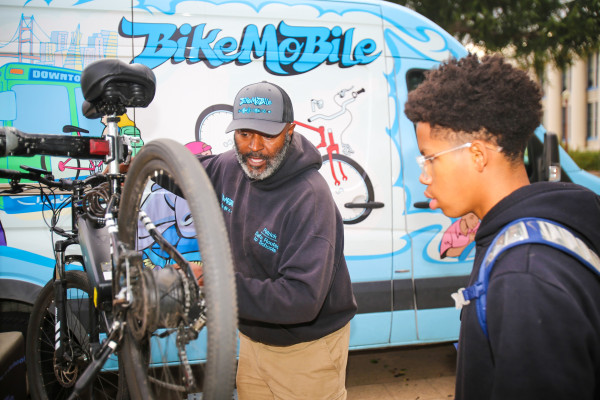
- Mend and repair: Extend the life of items by checking out our bike and clothing repair clinics
- Buy only what you need: Shop at secondhand stores like SCRAP-SF or borrow items
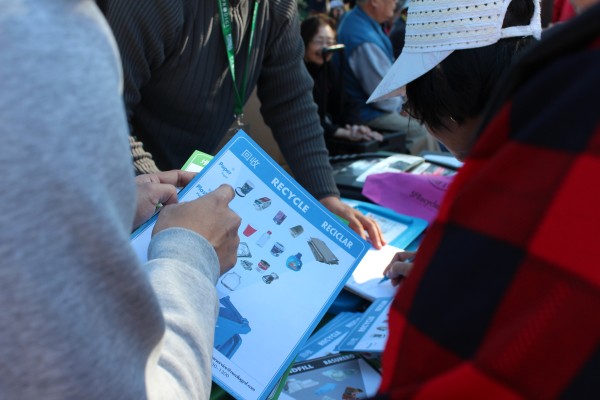
- Recycle correctly: Use SFRecycles.org for ways to sort items properly
- Support Green Businesses: Shop at local businesses that reduce waste and energy

About the author
Soko Made is the Zero Waste Program Manager for the SF Environment Department. She is an environmental specialist with over 15 years of experience leading waste prevention and source separation programs at private, public, and educational institutions.
She is also a co-Racial Equity Leader, coordinating efforts to normalize, organize, and operationalize racial equity within the department. Soko has a Bachelor of Arts degree in Geology from Saint Louis University and a Master of Science in Environmental Management from the University of San Francisco.