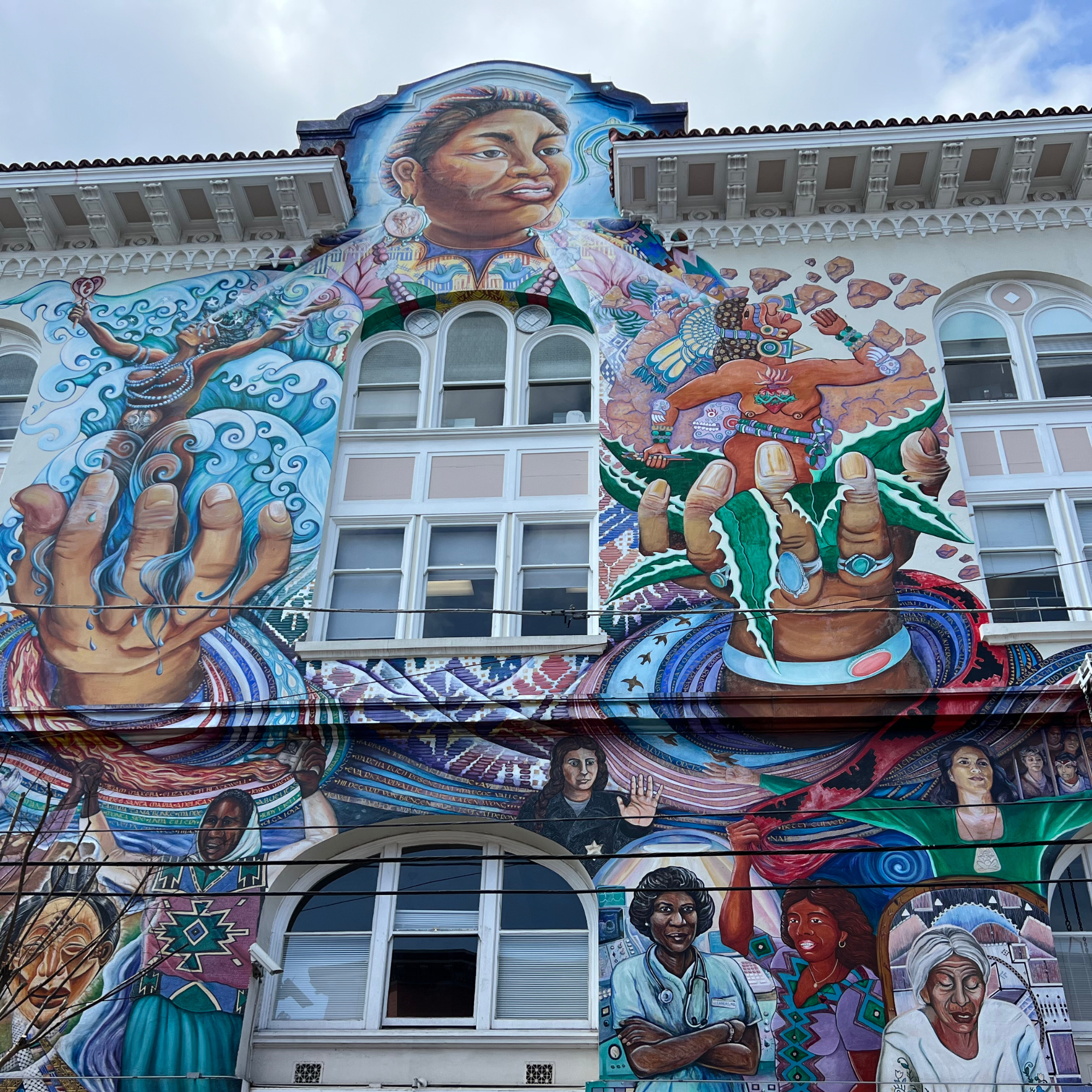
Educators cultivating change and shaping the future
We all remember a teacher who planted a seed in our hearts, making a lasting impact in our lives. Educators play a crucial role in shaping the next generation of leaders in climate action. Women environmental educators are the minority in the environmental field, yet they are making strides in educating future generations.
These educators provide students with tools to address issues like water pollution, waste reduction, and food access. Students of all backgrounds, learning styles, and languages can engage in the classroom through hands-on learning education that fosters memorable and personal experiences.

The power of hands-on and visual learning
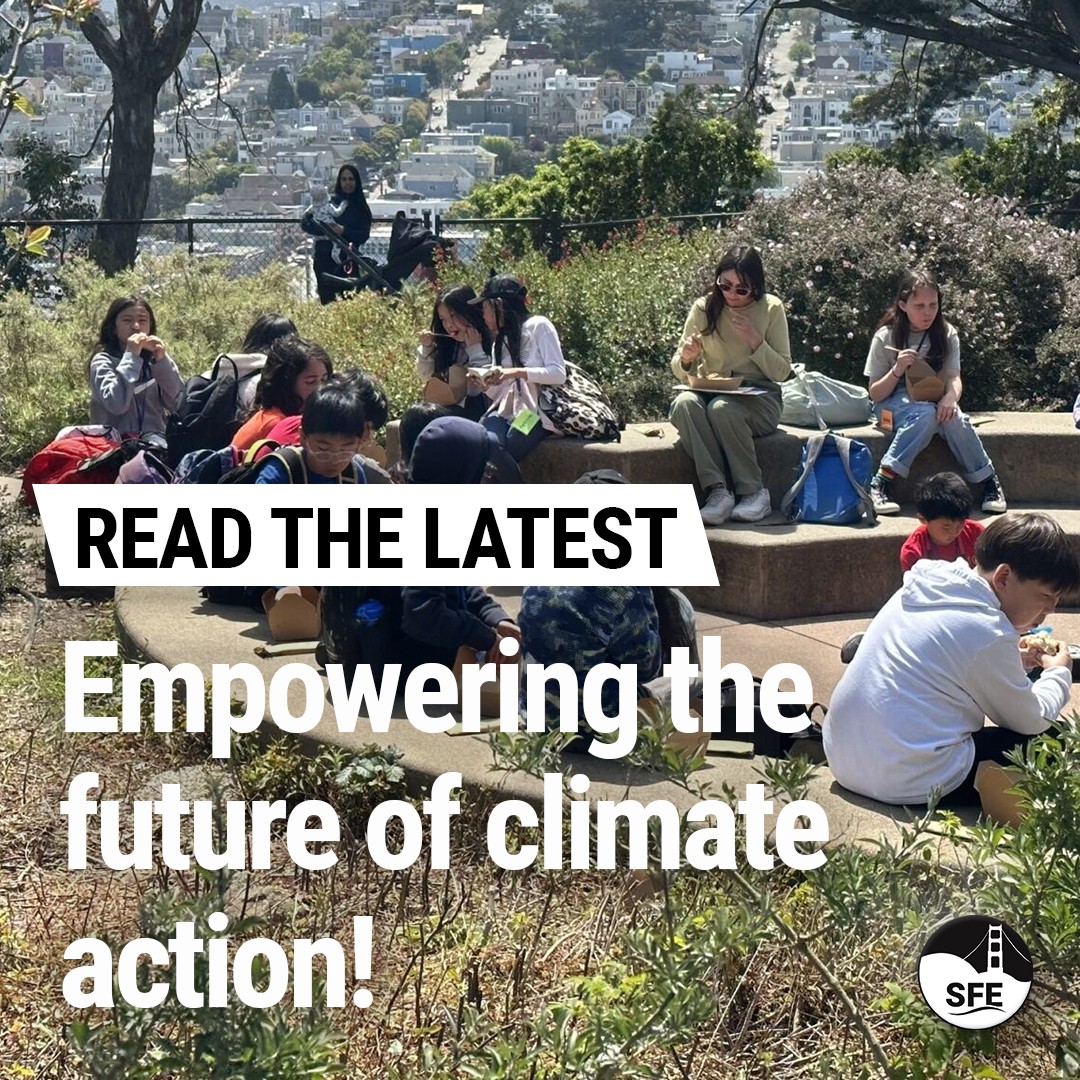
In a city like San Francisco, where access to green spaces can be limited for some students, educators create opportunities to bring nature to them. Simone, an environmental education coordinator with SF Environment, supports over 200 K-12 students weekly. She provides hands-on opportunities for students to learn about biodiversity, zero waste, and water conservation.
The hands-on approach includes:
- Sensory learning: Students engaging with nature through touch, smell, and observation builds a deeper understanding of the world around them.
- Empathy-building: Hands on interactions with bugs, soil, and plants foster appreciation for nature’s smaller creatures.
- Curiosity exploration: Through peer conversations and hands-on experiments, students develop critical thinking skills by exploring and sharing their discoveries.
- Real-world activities: Real life activities, such building a water filter, help students grasp environmental challenges.
SF Environment’s education team values this approach to inspire students to be lifelong environmental stewards, no matter their career path. Lessons are offered in English, Spanish, and Cantonese, reflecting the multilingual and diverse landscape of San Francisco.
Garden education at West Portal Elementary
Ms. Em, a teacher at West Portal Elementary, exemplifies resilience and innovation in environmental education. SF Environment visited Ms. Em’s classroom and found inspiration in Ms. Em’s creative learning space. With school construction limiting outdoor access, Ms. Em responded by bringing nature directly to the classroom.

Students experience:
- Indoor gardening: Students explore plant care, propagation, and pollinators.
- Cooking classes: Students use produce grown in the garden to create tasty, healthy, recipes, such as salads.
- Virtual nature explorations: Students discover diverse ecosystems through National Park Service resources.
Ms. Em encourages students to learn about native plants, like yarrow and poppies. Before construction began at West Portal Elementary, students spent the majority of their time outside in the big garden. Today, the youngest students learn at the “KinderGarden”, a section of previously unused space that has been transformed into a mini garden. Students have been introduced to plants like Borage, observing how they flourish from seed to flower and naturally attract bees and butterflies. Students have built strong connections with the garden, growing awareness and empathy, embodying what educators have worked hard to inspire.
How to support their work
Educators remind us that people of all ages and backgrounds play important roles in protecting our planet. They give students the skills to take action no matter their age.
Ways to support their work:
- Attend the Climate Action Youth Summit: On April 18, SF Environment is hosting an event showcasing student-led projects.
- Listen to youth: Learning from young people, who experience education differently from past generations.
- Advocate for environmental education: Ensure students have access to hands-on learning experiences that prepare them for real world environmental challenges.
Environmental educators are shaping the next generation of environmental stewards through engaging, hands-on learning. Women environmental educators ensure that all students develop curiosity, empathy, and a strong connection to nature.
* All references to “women and girls” include gender-expansive individuals.