Paint may have an undesirable effect on human health.  

Volatile organic compounds (VOCs) are common chemical ingredients found in caulks, adhesives, carping, and house paints. During home painting projects, VOCs are released as the paint dries. Exposure to VOCs can cause various negative health effects, including dizziness, nausea, headaches, fatigue, and asthma. Extended exposure to high levels of certain VOCs can cause liver or kidney damage.  


Tips for minimizing VOC exposure while painting:  

  • Use water-based (latex) paint that is marketed as no or low VOCs. Avoid oil-based paint. Be aware that no and low VOC products can still contain harmful chemicals and small amounts of VOCs.  
  • Encourage ventilation. Keep windows and doors open while painting. Avoid the project area until paint has completely dried. Use fans to speed the drying process.  
  • Keep pregnant persons and young children away from freshly painted rooms for at least 2-3 days.  
Related content

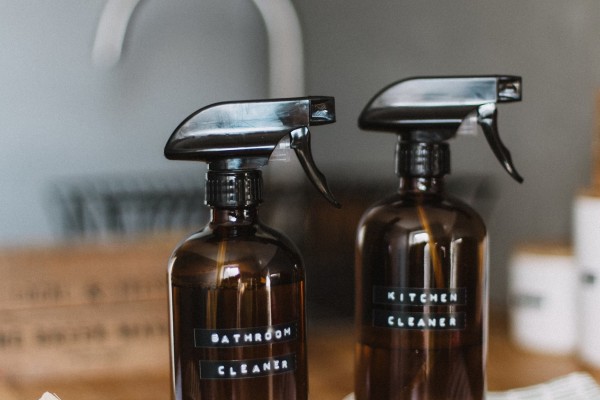
The image shows two brown spray bottles labeled "BATHROOM CLEANER" and "KITCHEN CLEANER," placed on a wooden surface. There is also a wooden dish brush and a white cloth nearby. The setting appears to be a clean and organized kitchen or cleaning area, with a sink and faucet visible in the background. The overall aesthetic is simple and eco-friendly, with a focus on natural materials.

Tips for less toxic home cleaning

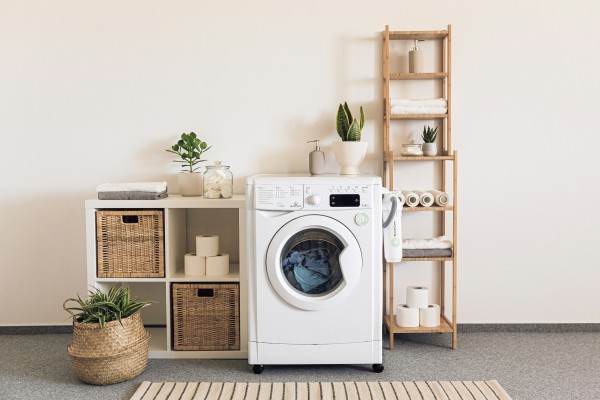
The image shows a well-organized and aesthetically pleasing laundry room. In the center is a front-loading washing machine with some laundry visible inside. To the left of the washing machine, there is a white shelving unit with woven baskets, a small potted plant, a stack of folded towels, and a glass jar filled with laundry items, likely cotton balls or detergent pods. On the floor, there is a woven basket with a green plant.

Tips for a less toxic laundry routine

The image shows a kitchen countertop with several food storage containers. There are various types and sizes of containers, including two glass containers with white lids, and three plastic containers with colored lids—one with a blue lid and two with purple lids. In the background, there is a larger, semi-transparent plastic container with a teal handle on the lid. The countertop is a speckled brown granite, and there are wooden cabinets above it. The setting appears to be a well-organized kitchen, ready f

Food storage tips to reduce toxics exposure