Remove sources of food, water, and shelter
All pests, including rodents and bugs, need these three things to survive. Click on the tips below to learn the specific steps you can take to manage your problems with pests.
Tips for reducing food sources
- Limit food sources by wiping up crumbs and residues on countertops.
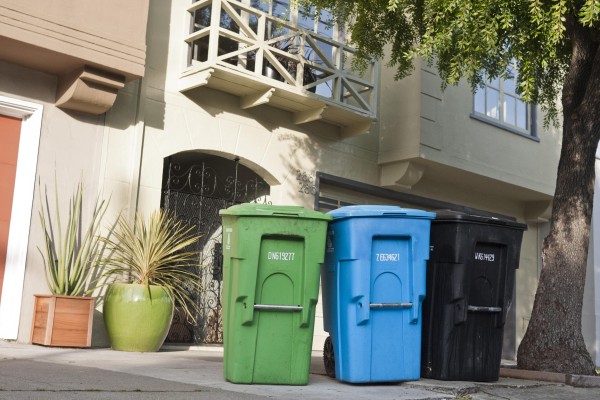
- Empty trash bins weekly and empty kitchen compost pail daily. Compost may also be stored in an airtight container in the freezer.
- Consider feeding pets at set mealtimes or dispense food from an enclosed container, rather than leaving partially full bowls of pet food around the home.
- Store leftovers in sealed containers.

Tips for reducing water sources
- Monitor bathroom and kitchen sinks for puddles of standing water.
- Check appliances for leaks.
- Clean gutters and drains regularly.
- Turn off garden hoses and sprinklers completely when not in use.
Tips for minimizing shelter
- Limit excessive vegetation on residential buildings. Dense vines, like ivy, provide a perfect habitat for rats and mice.
- Minimize clutter as much as possible.

Seal the cracks
Prevent pests from entering the home by “thinking like a bug.”
Look for small gaps and cracks in wall moldings, baseboards, around plumbing pipes, and more. Seal gaps using foam sealant, screening, escutcheon plates, and metal wool.
Purchase a door sweep to prevent pests from crawling under doors.
Tips by pest
Click the drop-down menu below to learn more about managing specific pests. Or, view and download the San Francisco Environment’s Integrated Pest Management trifold.
Rodents
- Do not use poisonous rodenticides. These can be dangerous to pets and children.
- Do not use inhumane sticky traps. Rodents caught in sticky traps should be dispatched immediately with a sharp blow to the head.
- Do use snap traps. Place traps along the edges of walls and corners. Pre-bait traps for the first day. This means placing the traps without setting them, to lure rodents into a false sense of security. Set traps at night.

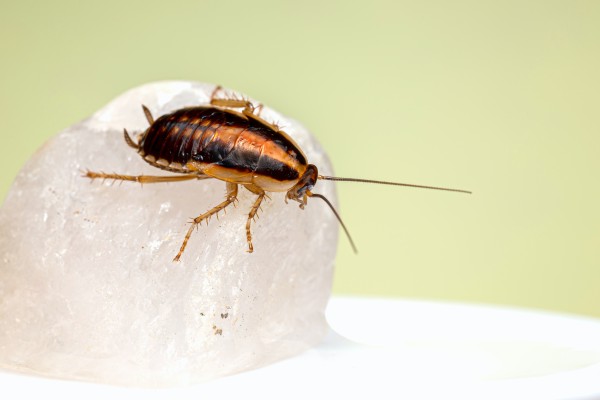
Cockroaches
- Do not use bug bombs (aka foggers) or pesticide sprays. These products leave a toxic coating of chemicals in the home. They only work on visible pests and do not reach hiding places.
- Do use over-the-counter bug baits. These can be placed out of reach of children and pets and do not infiltrate the home.
- Do use soapy water to kill visible pests on contact in a less toxic way.
- Do use sticky traps to monitor the prevalence of pests in the home.

Bedbugs
- Do not use bug bombs (aka foggers). These products may cause pests to scatter.
- Do inspect and quarantine any second-hand upholstered furniture before using it in the home. Bed bugs can enter the home on these used items.
- Do launder bed linens with detergent and hot water. Dry items for last 45 minutes on high heat.
- Do use soapy water or a vacuum to remove bed bugs on sight.
- Do protect sleeping areas by using mattress encasements. Place interceptors on the legs of bedframes to trap bed bugs.
Ants
- Do not use bug bombs or pesticide sprays. These products leave a toxic coating of chemicals in the home.
- Do use liquid ant baits.
- Do use soapy water to kill ants on sight.
Other websites with helpful information
- Our Water Our World (OWOW) website on pest prevention tips with a focus on less-toxic, eco-friendly products and techniques.
- Read the Environmental Protection Agency (EPA) tools and strategies for pollinator protection.