Help reduce waste by refusing what you don’t need, reducing what you consume, and reusing what you have.

What does Zero Waste mean for SF residents?
Zero waste means using and managing products more efficiently to reduce landfill waste. By reducing, reusing, recycling, and composting, we can all contribute to less waste for a healthier planet.
Recycling and composting in San Francisco
The Mandatory Recycling and Composting Ordinance states that everyone in San Francisco is required to keep their recyclables, compostables, and trash separate in order to maintain a cleaner and greener city.
By composting food scraps and yard waste, we keep valuable organics out of landfills, where they would produce harmful methane gas. Instead, these scraps are turned into nutrient-rich compost that helps local farms and gardens thrive.
Get started
Explore the resources below to learn about different tips and action items on how to reduce, reuse, recycle, and compost right at home.
Reduce and reuse
Help reduce waste by refusing what you don’t need, reducing what you consume, and reusing what you have.
Reduce
- Learn about why Reuse is important
- Learn how to properly store food and prevent food waste.
- Minimize packaging by shopping at farmer’s markets.
- Learn how to stop junk mail and unwanted catalogs here.
- Learn how to throw a zero waste party by only buying what you need and borrowing the rest.
Reuse
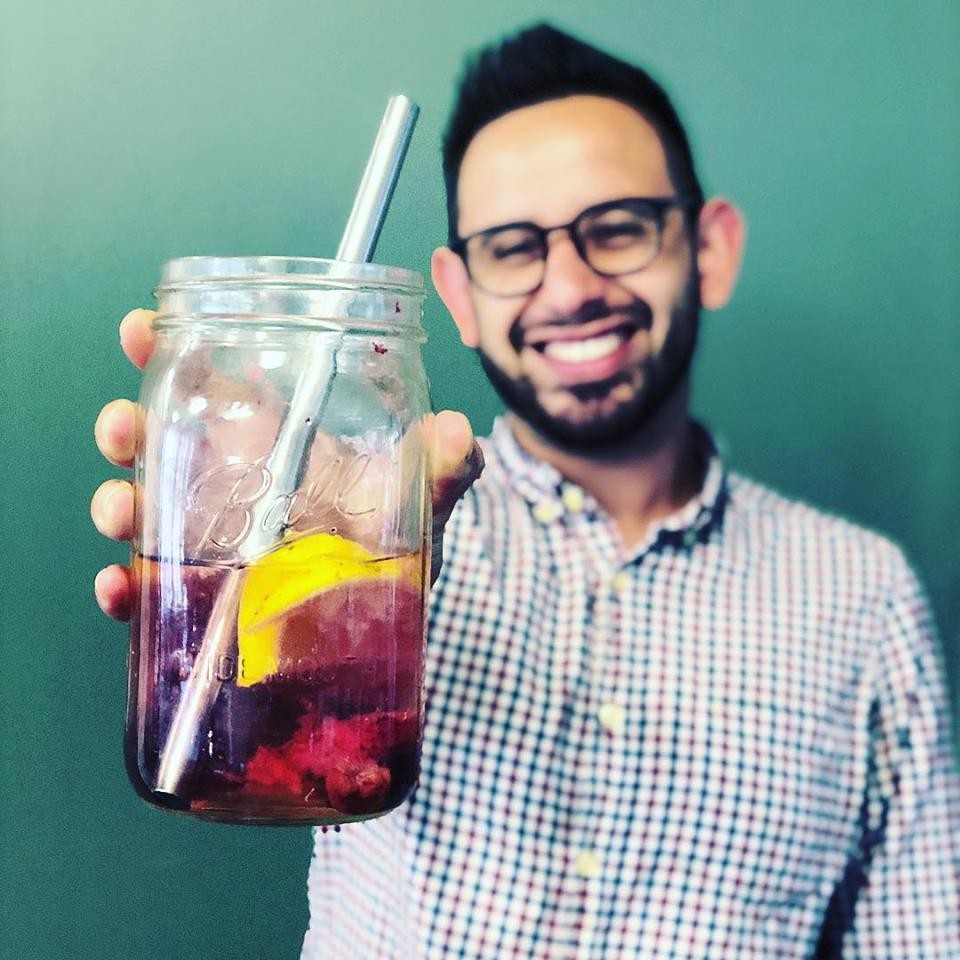
- Carry a reusable water bottle, coffee cup, or utensils.
- Bring your own reusable bags with you and avoid the mandatory bag charge.
- Check out where you can donate clothes, furniture, and electronics here.

Bringing a reusable bag to your local farmers market
is an easy way to reduce waste as a SF resident.
Recycling and composting, bulky items and safe disposal
Recycling and composting are mandatory in San Francisco.
Below are ways residents can learn how to recycle and compost correctly and how get rid of items that do not belong in the recycling or composting collection bins.
How to recycle and compost
- Check out SF's Recycling and Composting Requirements for residents
- Learn about the recycling and composting requirements for residents here.
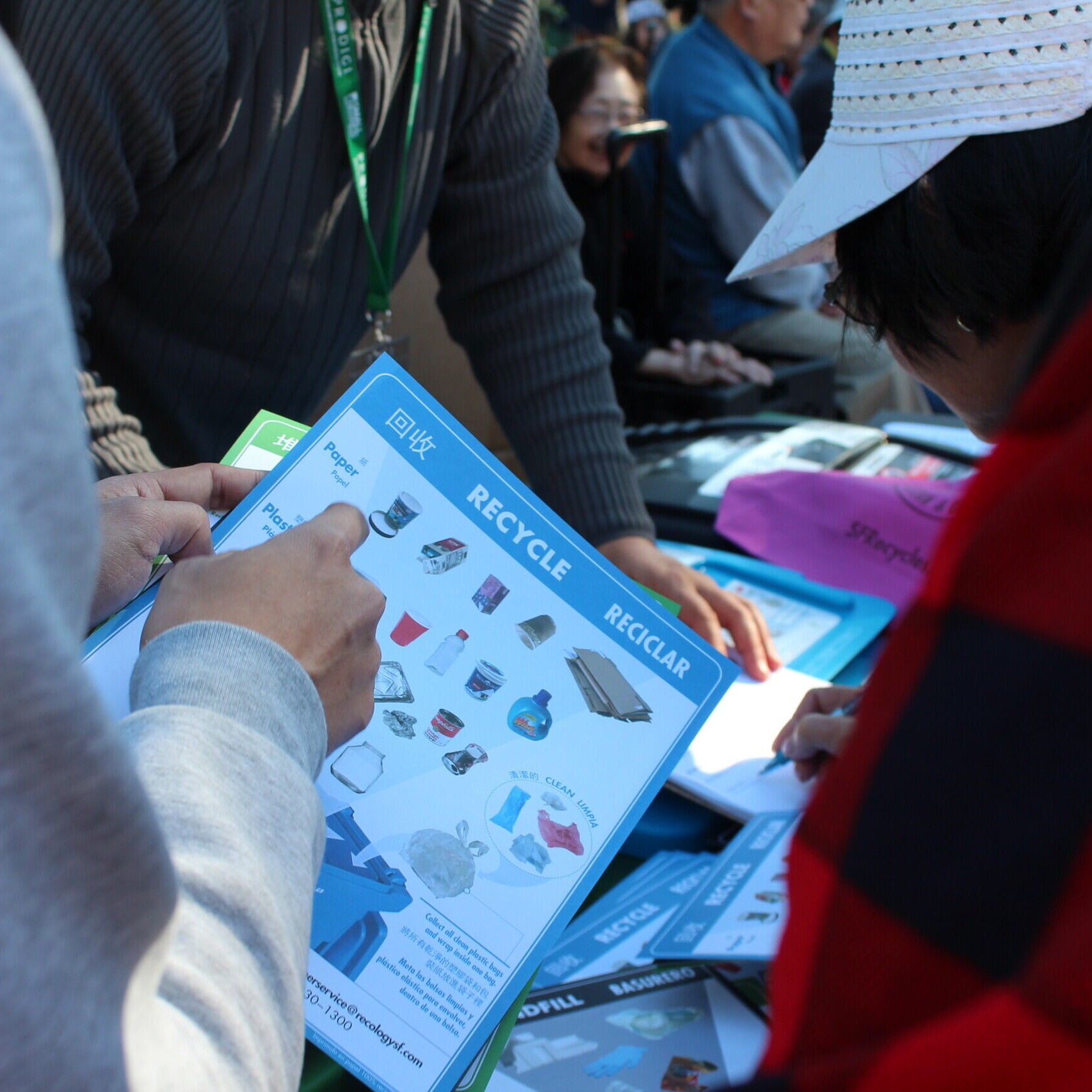
- For guidance on what-goes-where in San Francisco’s 3-bin system, check out the following resources
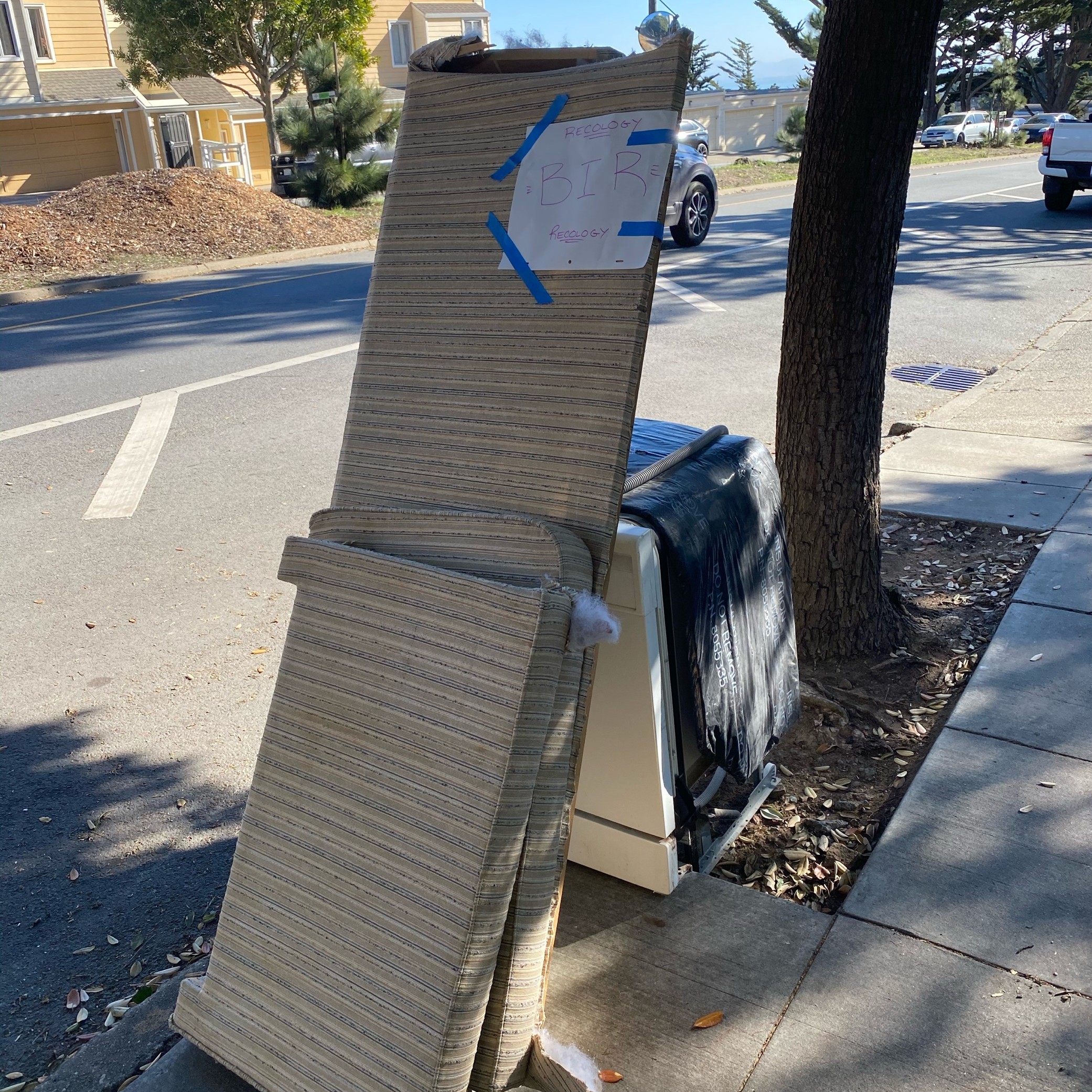
- How to get rid of bulky items and household hazardous waste
- Use premade signs or the sign maker tool to create your own zero waste signage.
- Learn more about your Recology refuse bill and the Refuse Rates in San Francisco.
How to start composting and obtain free compost
- New to composting? learn how to start composting at home here.
- Get free compost at a compost giveaway.
- Take a free backyard composting class with Garden for the Environment.
Resources for multifamily property owners and managers
If you own or manage a multifamily property, read and bookmark the Recycling and Composting Property Manager Toolkit page to increase participation and reduce contamination at your property.
Become a Waste Zero Champion
Residents help combat climate change by reducing landfill waste.
Recology and SFE support the Waste Zero Champion program in apartments, neighborhoods, workplaces, and schools, encouraging greater recycling and composting participation.
Get involved. Learn more about the program on Recology's website.
Repair and Fix-It Clinics


Bike repair
If your or your child’s bike is making mysterious sounds or gathering dust due to a flat tire, bring it in for a tune-up or repair. Expert bike repair coaches will demonstrate how to perform basic bike tune-ups and keep your bike running smoothly.
Get help patching a flat tire, adjust brakes and gears, and learn how to replace broken or worn-out parts like chains and tires. However, replacing a bike wheel is not a service that can be accommodated at this time.
Clothing repair
If your favorite pair of pants or jacket has a tear or a loose stitch, bring it in and get paired with a repair coach who will teach you how to sew, darn, and fix it.
Expert sewers assist with fixing clothing, jackets, gloves, socks, and other items. However, these fix-it events will not be able to accommodate alterations.
Join us at the next Fix-It Clinic!
If you’re interested in finding more ways to repair what you already have, check out the upcoming fix-it events happening throughout the city!
Beverage container return systems
What is CRV?
The 1986 AB2020 California Beverage Container and Recycling and Litter Reduction Act also known as the “Bottle Bill” established the California Redemption Value (CRV). This is a deposit added to beverage prices, refundable upon returning the container to a recycling center.
Everyone who purchases beverage containers are entitled to get their CRV deposit back. This law was created to incentivize the consumers to return their beverage containers, increase recycling rate, and ensure valuable materials like aluminum end up properly recycled.
Get your CRV deposit back with the SF Pilot Program: BOTTLEBANK

The San Francisco BOTTLEBANK™ mobile CRV pilot program provides an easy way to get your CRV deposits back using blue BOTTLEBANK bags with specialized QR codes that are connected to participant customer BOTTLEBANK™ accounts at the time of the drop-off.
There are numerous locations open throughout San Francisco. Check the BOTTLEBANK website or in-app details for your nearest location.
The program is designed to increase recycling rates of plastic bottles, aluminum cans, and glass bottle beverage containers that have a CRV label and then return those deposits to participants' BOTTLEBANK accounts.
Read more about the program and how it got started.
Anyone can participate in the program by signing up for a BOTTLEBANK™ account. Learn more about the San Francisco BOTTLEBANK.
Zero Waste your event
Per the Mandatory Recycling and Composting Ordinance, recycling and composting are required at events.
Event producers hosting events in San Francisco must attend a free zero waste event training before their event(s) take place.
For more information, check out the Zero Waste Events page.
Need a free kitchen compost pail?
Click the button below to send an email to [email protected] to request your free kitchen compost pail. You can also visit our webpage for more information.