Dry cleaning vs. Wet cleaning
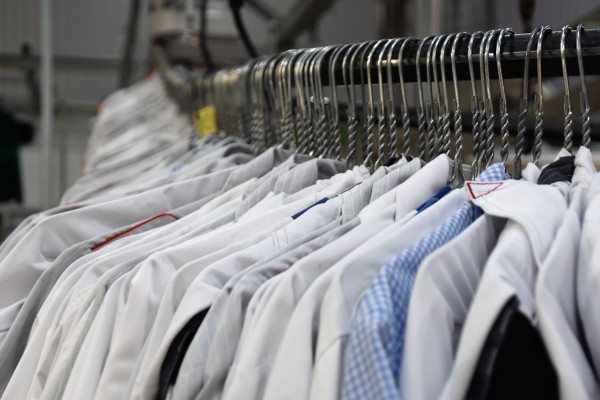
Dry cleaning is a process that utilizes chemical solvents to remove dirt and stains.
Many dry cleaners use toxic substances that can be unhealthy for workers and for the environment. Wet cleaning is an alternative process that uses water-based solvents and biodegradable detergents.
Microfiber pollution
Most clothing is made from woven or knitted fibers. Every time these garments are washed, tiny fragments break off and enter wastewater via laundry machine effluent. These small pieces are called “microfibers,” and they have been linked to impaired respiratory functioning in wildlife and humans.
Microfiber shedding is especially concerning when it is associated with synthetic fabrics, which are usually plastic based. Plastic microfibers can transfer plastic chemicals and chemical dyes into ecosystems, wildlife, and humans.
Reduce microfiber shedding from clothing by using the following tips:
Washing
- Wash clothing less. Spot-treat stains or gently handwash clothing as much as possible.
- Choose shorter wash cycles with low spin speeds. Use cold water and low-water settings when possible.
- Choose US EPA Safer Choice certified liquid detergent and fabric softener.
- Use a microfiber capturing device when machine-washing clothes. Look for specially designed microfiber capture balls, bags, and machine filters that are unique from other laundry accessories.
- Consider opting for a front-loading washing machine if updating home appliances.
Drying
- Air dry clothing as much as possible.
- Choose shorter drying cycles with lower temperatures.
- Consider installing outdoor lint traps on dryer vents.
- Consider opting for a front-loading, ventless drying machine if updating home appliances. These machines can be more costly than vented dryers, but they save energy and catch microfibers.
Safer detergents
Choose detergents that are certified by one of the certification programs endorsed by San Francisco Environment, including the Environmental Protection Agency’s Safer Choice program, Green Seal, and UL/EcoLogo. Avoid detergents that contain fragrance and/or phthalates.