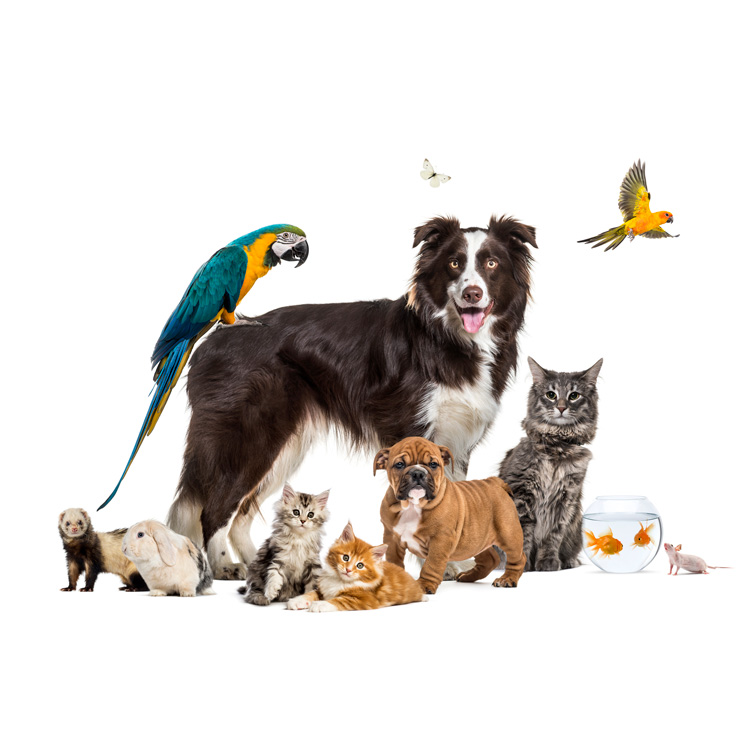
Pets are particularly vulnerable and sensitive to toxic chemicals because of their smaller body sizes, biology, and high exposure potential. Click the drop down menus below to learn more about making all parts of your pet care routine safer.
Tips for flea and tick control
Choose oral flea and tick medications as much as possible.
Topical medications, including spot-on treatments, flea collars, sprays, and foggers, can spread harmful chemicals via touch and in the air. These products can leave residual coatings on surfaces and on human bodies.
Once pesticides are in the home, they may travel to the sewer systems and impact natural ecosystems. Oral medications do not spread through touch and are less likely to enter aquatic environments.
Beware especially cautious of products that contain fipronil and imidacloprid.
In addition to using oral medications, manage fleas and ticks by doing the following:
- Vacuum, sweep, and mop the home regularly
- Wash pet bedding frequently in hot water
- Use metal flea combs to monitor pets’ coats
Tips for avoiding toxic pet cleaning products
Store cleaning products out of easy reach and ensure that pets are not present while cleaning. Avoid the following ingredients when shopping for pet products:
- Aerosols
- Air fresheners
- Ammonia
- Antibacterial/antimicrobials
- Chlorine bleach
- Disinfectants
- Formaldehyde
- Fragrance
- Glycol ethers (2-methoxyethanol, 2-ethoxyenthanol, and 2-butoxyethanol)
Make a DIY cleaner for urine and vomit stains on textiles:
- Mix two tablespoons of hydrogen peroxide, one tablespoon of baking soda, and one tablespoon of unscented dish soap.
- Blot the stained area with a rag or paper towel to soak up any moisture.
- Then apply a small amount of the mixture to the stain and let sit for 10 minutes.
- Blot the air dry and repeat as necessary.
- Be sure to complete a spot test on delicate textiles to ensure that there is no reaction to the mixture.
Tips for choosing safer cat litter
Cat litter may contain chemicals that pose various health and environmental hazards.
Follow these best practices for choosing cat litter:
- Fragrance free: Avoid scented cat litter. Fragrance often contains a class of chemicals known as phthalates. Phthalates can cause reproductive harm to humans and cats and can disrupt hormone functioning.
- Dust-free: Cat litter can create dust in the home, which can travel into the lungs and cause harm.
- Non-clumping: Avoid clumping and clay cat litter, as these characteristics are commonly associated with sodium bentonite. Studies have linked sodium bentonite with impaired lung function in humans and animals.
- Plant-based material: Choose cat litter made from plant-based materials, like wood, paper, or wheat. These materials are often repurposed from other products and have greater potential to biodegrade than products that are clay and silica-based. Note: do NOT place pet waste in the compost bin, even if litter is biodegradable. Pet waste can contaminate compost.
Tips for choosing safer pet beds
Avoid the following ingredients when shopping for bedding:
- Per- and polyfluoroalkyl substances (PFAS), often marketed as making products water and stain resistant
- Flame retardants
- Antimicrobials, occasionally marketed as making products odor-resistant
- Polyvinyl chloride (PVC)
- Polyurethane foam
These ingredients have collectively been linked to kidney and testicular cancer, decreased fertility, hormone disruption, and other ailments.
Choose beds with washable covers that are made from toxic-free materials like wool, cotton, and linen.
Tips for choosing safer bowls
Use stainless steel and glass food bowls. Plastic bowls may leach harmful chemicals, like BPA, into pets’ food and water.