Parents, guardians, and child care providers can use these helpful tips to create a healthy environment where children live, learn, and play.

The years from 0 to 5 are some of the most important for a child’s growth and development. Babies and young children can be particularly vulnerable to exposures from harmful substances such as lead, flame retardants, and cleaning chemicals. Whether you’re a parent, guardian, or child care provider, use these helpful tips to create a healthy environment where children live, learn, and play.
Flame retardants
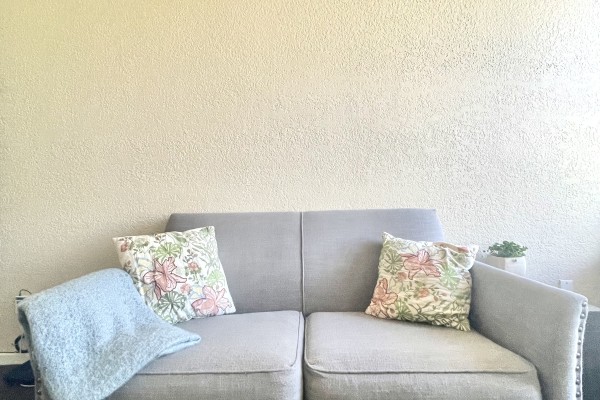
Since the 1970s, flame retardants have been added to household items such as upholstered furniture, children’s products, carpet padding, and electronics. In a daycare or pre-school, they are emitted as dust from upholstered furniture and padded children’s products such as nap mats and foam pads.
In most cases, flame retardants are not necessary to achieve fire safety. These chemicals have been linked to a growing list of health concerns, and young children are especially vulnerable to exposure. Because of this, flame retardants in upholstered furniture and certain children's products have been banned in San Francisco since 2019 and in California since 2020, with more states passing similar policies. This means it’s now a lot easier to find flame retardant-free products for your home or child care.
Learn more about how to avoid exposure to flame retardants in your child care.
Lead
Lead is a heavy metal that can impair growth and development. Children under six are particularly vulnerable to the impacts of lead exposure. If your child care is in a building that was built before 1979, it likely contains lead-based paint. Children can be exposed to lead-based paint and lead-contaminated dust if the paint is chipped or damaged. Other potential points of exposure include windowsills, door frames, and soil.
Caregivers can reduce lead exposure by eliminating dust, washing children’s hands frequently, and fixing any lead hazards in the building.
Learn more about reducing exposure to lead.
Call 311 to schedule a free lead hazard assessment from the San Francisco Department of Public Health.
Cleaning and disinfecting products
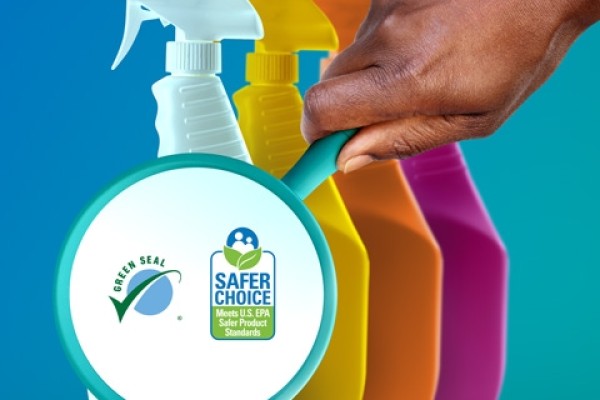
Cleaning and disinfecting are necessary tasks in any child care. Some cleaning and disinfecting products, however, are safer than others. Ingredients in some cleaning and disinfecting products can cause or exacerbate asthma or other respiratory illnesses. Learn how to choose safe, effective products for your child care.
- Screen For a Safer Clean
- Tips for Healthy Homes
- Bleach Free Disinfection in Child Care Settings
- Green Cleaning, Sanitizing, and Disinfecting in Early Care and Education
- Watch: Training on safer cleaning and disinfection in child care settings
More ways to Green your Child Care
Join the San Francisco Green Business Program! Eligible businesses will get FREE hands-on assistance and financial incentives to save water and energy, throw away less, and reduce the use of toxic chemicals.
Educational resources and field trips
SF Environment provides free year-round environmental education programs and curriculum to all PK-12 public and independent schools in San Francisco. Many of their lesson plans can be easily adapted for a younger audience.