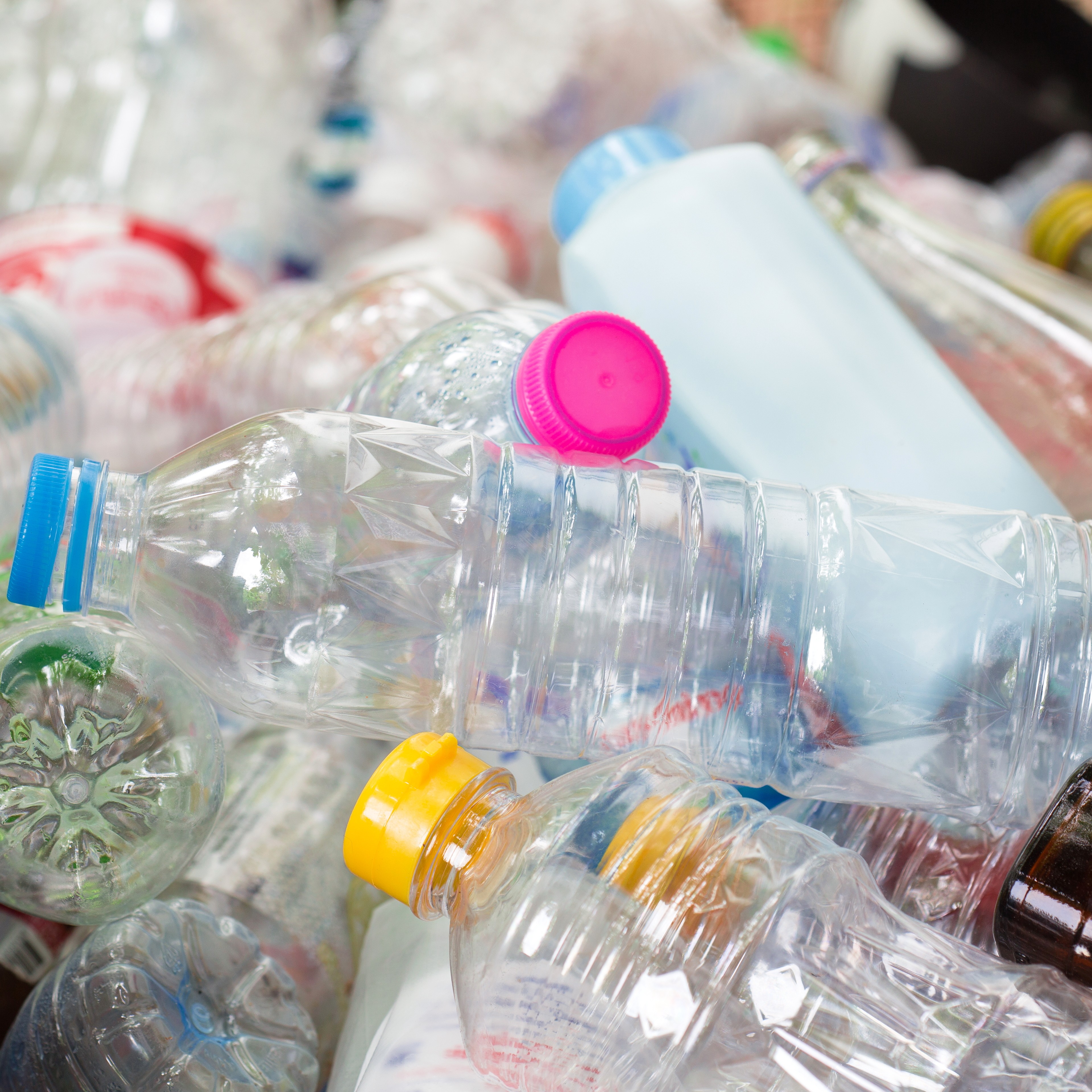
Food establishments play a critical role in reducing waste and ensuring compostables and recyclables do not end up in the landfill.
Who needs to comply
Food Preparation and Service Establishments are defined as:
A business that prepares and sells or serves food and beverages for on-site dining or to-go which includes but is not limited to cafes, restaurants, grocery stores, farmer’s market, street food vendors, food trucks, bars, and more as defined in Health Code Section 451 and permitted under Health Code Section 452.
How to comply
Follow these five steps to comply with the City’s zero waste policies:
Step 1: Assess and get adequate refuse collection services
- Adequate refuse service is when there is enough capacity for all the recyclable, compostable, and trash material generated at all times.
- Use Recology’s on-site refuse assessment form to assess each refuse stream: recycling, compost, and trash. Familiarize yourself with the refuse streams to determine opportunities for waste reduction.
- Determine if your property needs to change the size of the refuse bins and/or frequency of pickups per week. Contact Recology at (415) 330-1300 or [email protected] for assistance on right-sizing your business’ service.
- Explore sustainable options that could prevent or minimize waste such as using reusable foodware instead of single-use.
Step 2: Set up source-separation for front-of-house (for customers) and back-of-house (for staff)
- For front-of-house: Convenience is key
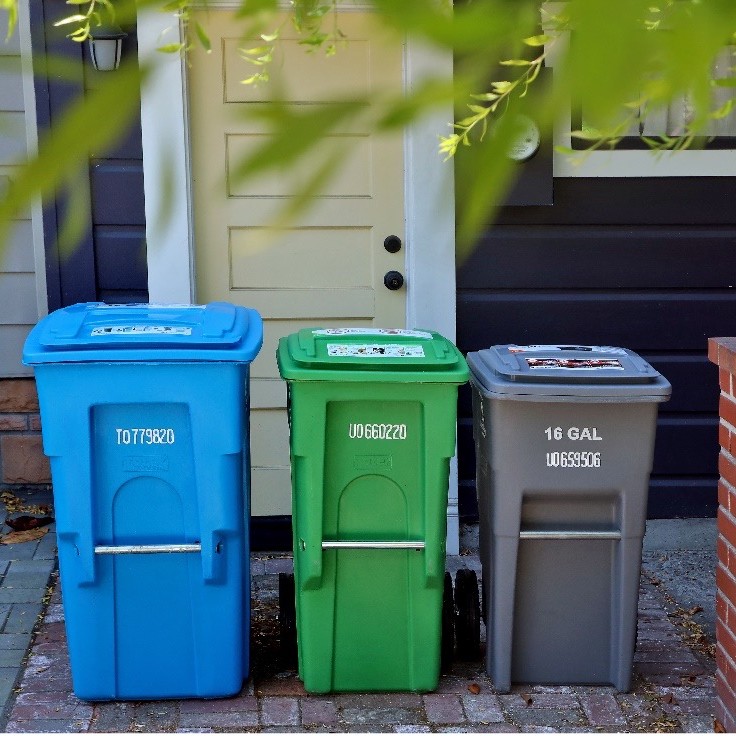
- Ensure customers have access to the refuse streams (compost, recycling, and trash) that are required to dispose of the refuse created instore. Keep refuse containers together so that it is equally convenient to dispose of all three material streams. Learn more about Mandatory Recycling and Composting Ordinance and what-goes-where
- For back-of-house: Monitor and prevent contamination
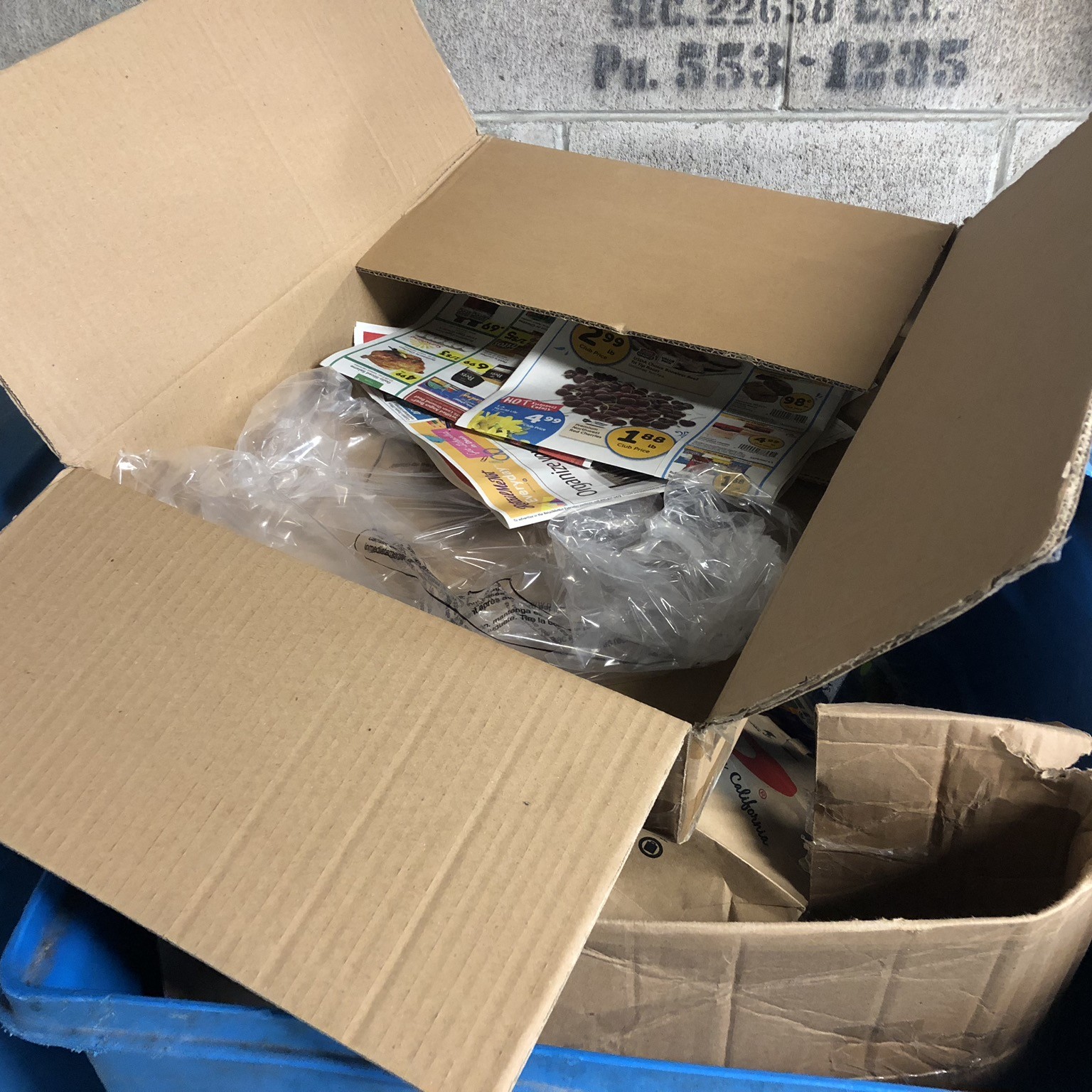
- Back-of-house is normally a controlled environment for food establishments, which means it is the business’ responsibility to ensure materials are being properly sorted. Source-separate all refuse into compost, recycling, and trash. Compostables and recyclables may not be placed in the trash. Educate new and existing employees on proper source-separation of refuse.
Assign an internal staff member designated as the zero waste champion who motivates staff to do the right thing and promotes a zero waste workplace.
Step 3: Comply with single-use food ware requirements
All San Francisco food focused establishments selling prepared food or packaged food within the City are required to use compliant disposable food ware. Compliant food ware includes certified compostable or recyclable food service ware.
Ditch the single-use food ware for onsite dining and switch to reusable food ware. It is better for the environment and food and drinks look better on reusables. Unsure if it’s worth the investment? Apply to a grant to receive free reusable food ware and/or dishwashing capacity. Additionally, consider going the extra mile and join the San Francisco Green Business program to get paid back for climate-friendly purchases.
Starting July 1, 2019, even acceptable single-use food and beverage accessories must not be included automatically in a customer’s order for dine-in, take-out or delivery. The following single-use food and beverage accessories may be made available only upon request or in a self-service area:
- Beverage plugs
- Chopsticks
- Condiment packages and portion cups
- Lids
- Napkins
- Sleeves
- Stirrers
The law also restricts the distribution of single-use plastic straws, including compostable plastic straws. Acceptable single-use straws (such as paper straws) can only be made available upon request. A single-use plastic straw may only be provided to a customer who specifically requests a plastic straw to accommodate a disability or medical need.
Acceptable straws include:
- Single-use paper or other natural fiber straws
- Reusable straws, such as glass, silicon, or metal
- Single-use plastic straws are available upon request for people with disabilities or medical needs. Businesses should wait for a person to request a plastic straw before providing one.
Step 4: Offer compliant bags
Check out or take-out bags are bags provided to customers at or after the point of sale.
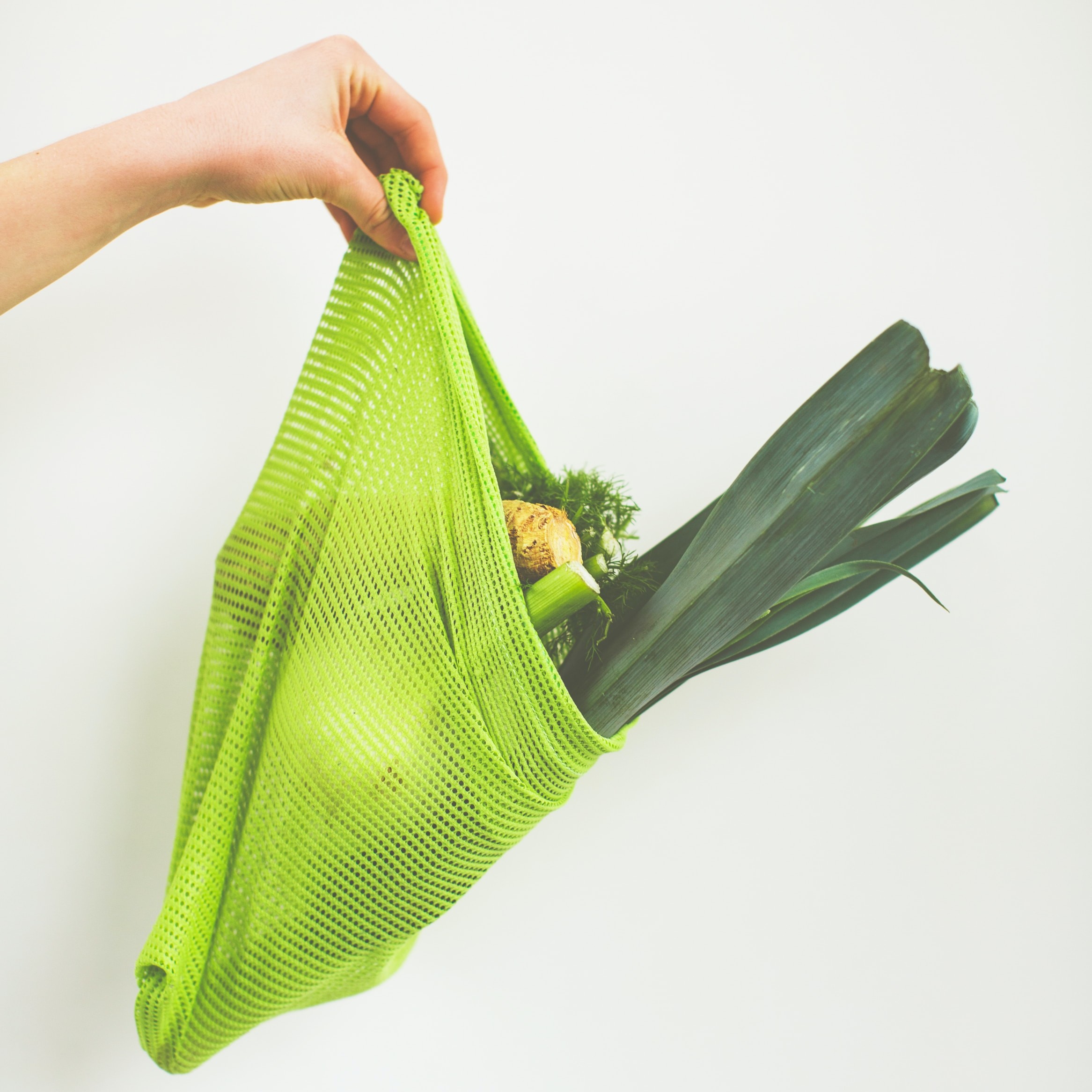
- All single-use, conventional plastic bags are prohibited.
- Acceptable checkout bags include:
- Certified and labeled compostable plastic bags
- Paper bags labeled with 40% post-consumer recycled content
- Reusable checkout bags designed for at least 125 uses and washable
- Charge at least 25¢ per checkout bag and display any charge separately on the customer receipt.
- Use compliant checkout bag for take-out food and beverage orders.
Pre-checkout bags are bags provided to customers to contain leftover food after eating on-site at a restaurant ("doggy bags"). All pre-checkout bags must be either compostable plastic or recyclable paper.
Compostable plastic pre-checkout bags must be:
- Certified compostable by BPI or TÜV AUSTRIA Belgium
- Clearly labeled “Compostable” in a highly visible manner on the outside of bag
- Green color throughout
- Have a minimum of 15-inch mouth width so as to fit most kitchen compost pails
Recyclable paper pre-checkout bags must be:
- 100% recyclable paper with a minimum of 40% post-consumer recycled content
- Labeled “Recyclable” in highly visible manner on the outside of the bag
- Labeled with the name of the manufacturer, the country where manufactured, and the percentage of post-consumer recycled content, all in an easy-to-read size and font on the outside of the bag
Learn more about Checkout bag charge and recyclable or compostable pre-checkout bag requirement.
Step 5: Donate all surplus edible food
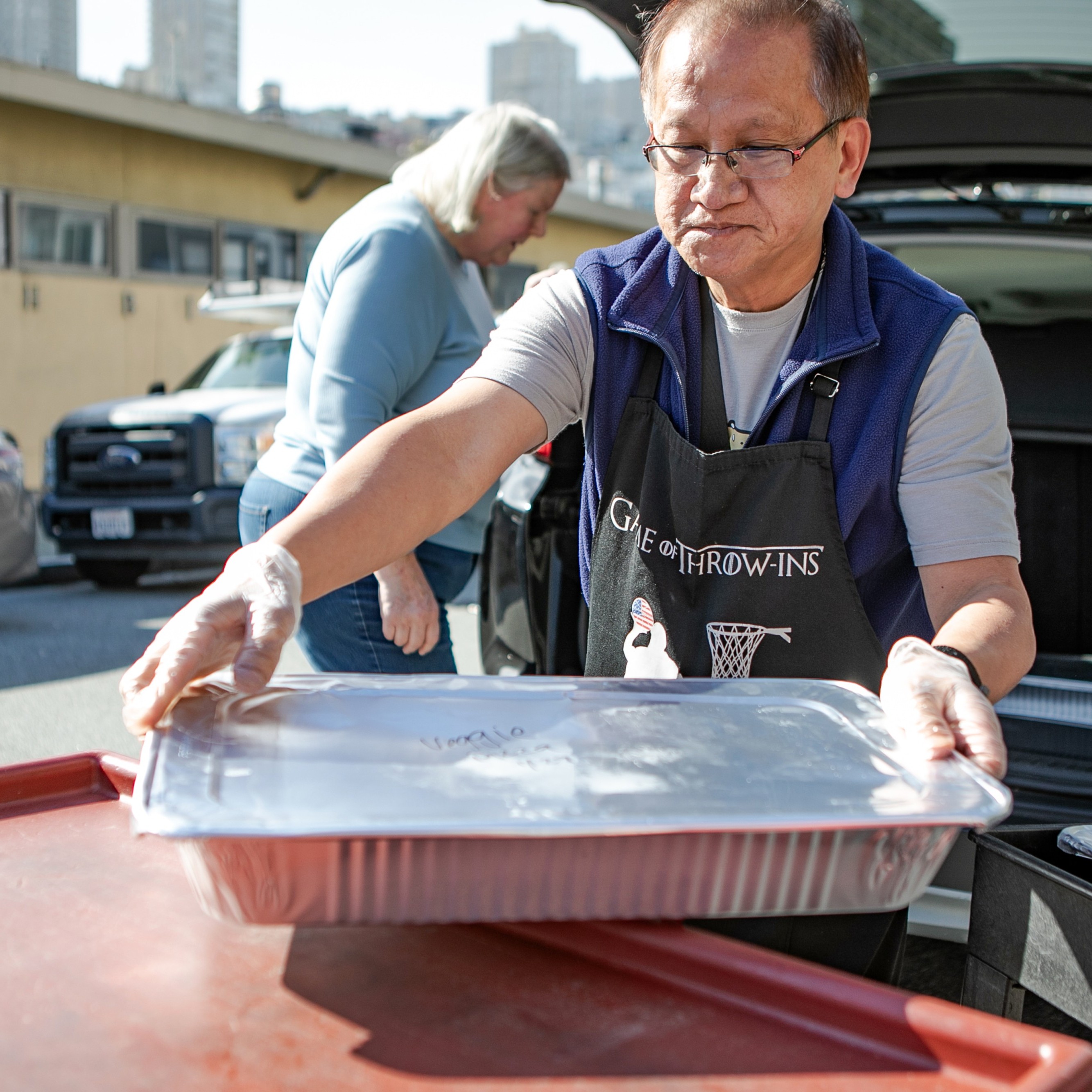
Edible food saved from getting spoiled or going in the compost bin can feed people in your community. California state law SB 1383 requires certain businesses to safely recover the maximum amount of surplus edible food and donate it to a food program to be redistributed to communities in need. Intentionally spoiling food is prohibited. Learn more about SB 1383 food recovery requirements.
Additional support
The Environment Department strives to educate and assist. Please complete the SF Zero Waste policies compliance form to sign up to receive extra assistance or a reminder of the requirements.
Available grants
For businesses and properties looking to be on the forefront of sustainability, SF Environment offers grants. Click on the links below to learn more: