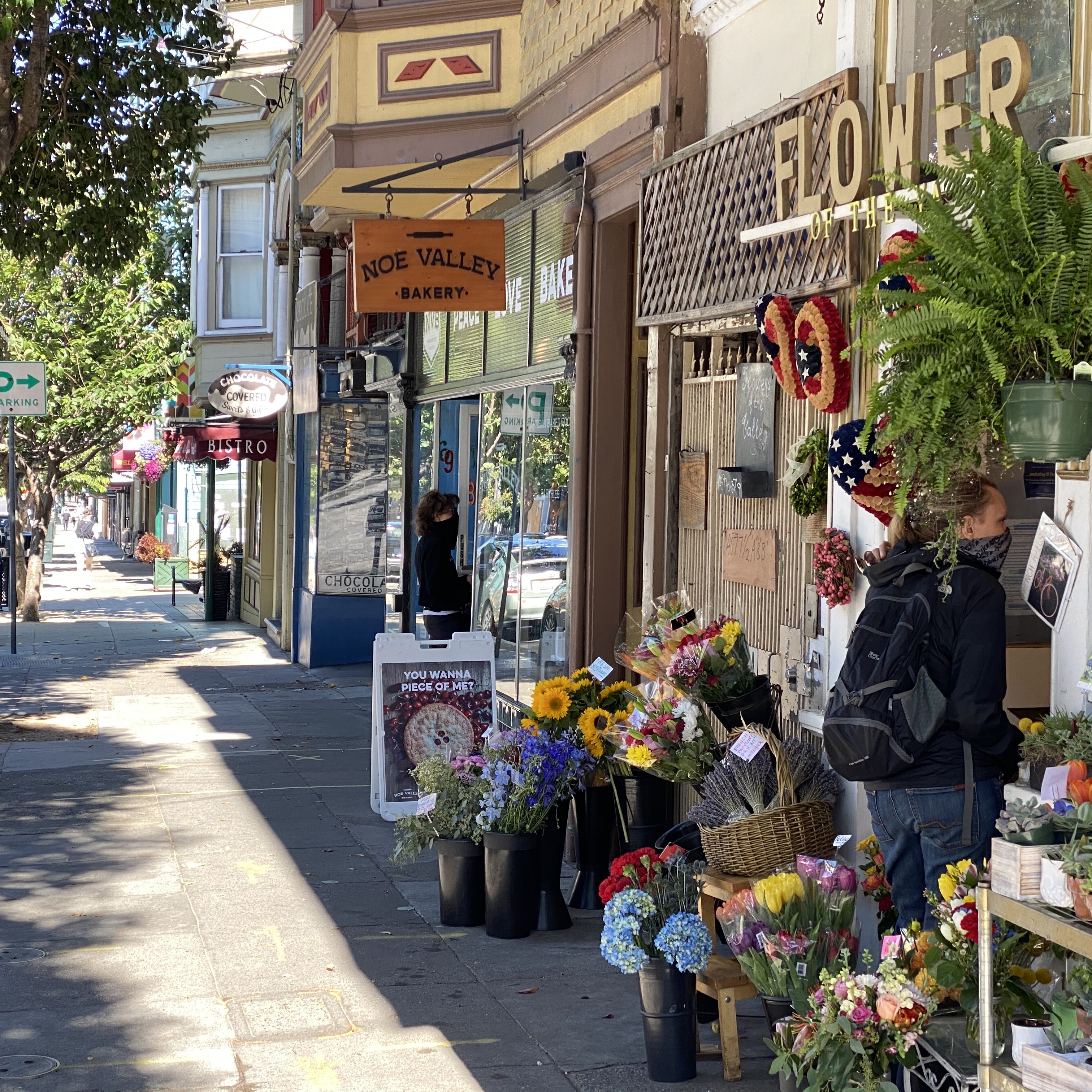
Businesses play a big role in shaping our city, and they can play a similarly big role in reducing the amount of waste we generate.

San Francisco’s zero waste goal relies on everyone’s effort. Businesses can contribute by preventing waste, reducing single-use disposables, separating recyclables and compostables, and donating surplus food.
In 2009, San Francisco became the first city in California to adopt a Mandatory Recycling and Composting Ordinance that included a food scraps collection program. Review the details in Chapter 19 of the SF Environmental Code.
Take action to ensure your business is in compliance and save money on your Recology bill by reviewing the Mandatory Recycling and Composting Guide for Businesses. Together, we can achieve zero waste!
Recycling and composting requirements for businesses
Every business in San Francisco is required to properly separate out their recyclables, compostables, and trash.
Other resources:
- Limit your waste with the zero waste guide for businesses
- Comply with State Law SB1383: Food Waste Prevention and Food Recovery Resources
- Eliminate single-use disposables with the Plastic, Litter, and Toxics Reduction Law: Purchasing and Usage Guidelines
- Find out what goes in each bin on SF Recycles
Recology Services
The Mandatory Recycling and Composting Ordinance allows SF Environment to ensure that all residents and businesses have adequate refuse service through the city's service provider, Recology.
-
Review Recology's services for businesses brochure.
-
Access single and multi-households, apartments, and commercial buildings refuse rates.
-
Get answers to item-specific disposal on SF Recycles.
-
Drop off hazardous waste at a collection center.
-
See if you qualify for the Business Very Small Quantity Generator Program (VSQG)
-
Contact Recology customer service.
Reusables save money. Here's how:
Small businesses
SF Environment's reusable foodware grants helps small and large businesses switch to reusables and save money.
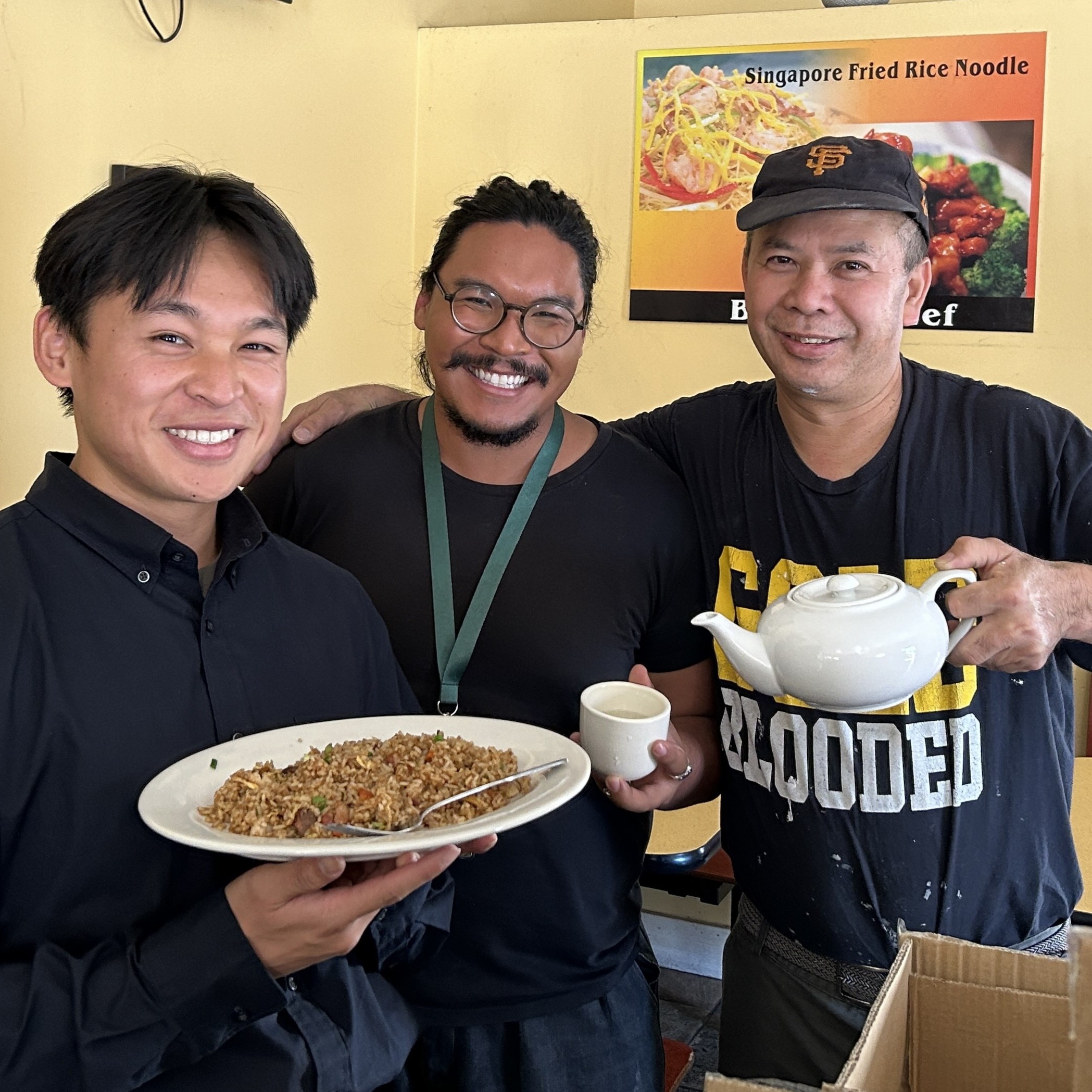
Over 200 small businesses have applied to the reusable foodware grant. Read some of their success stories below:
- Hong Kong Bakery
- House of Dim Sum (English , Chinese)
- La Corneta Taqueria
- New Fortune Restaurant
- Yonkers Cafe
- Yuyu Sushi
Large institutions
Entertainment venues, hotels, health facilities, schools, malls, and other large institutions can apply for a reusable foodware grant offering up to $5000 to spend on reusable food service ware or contract with a reusable service provider.
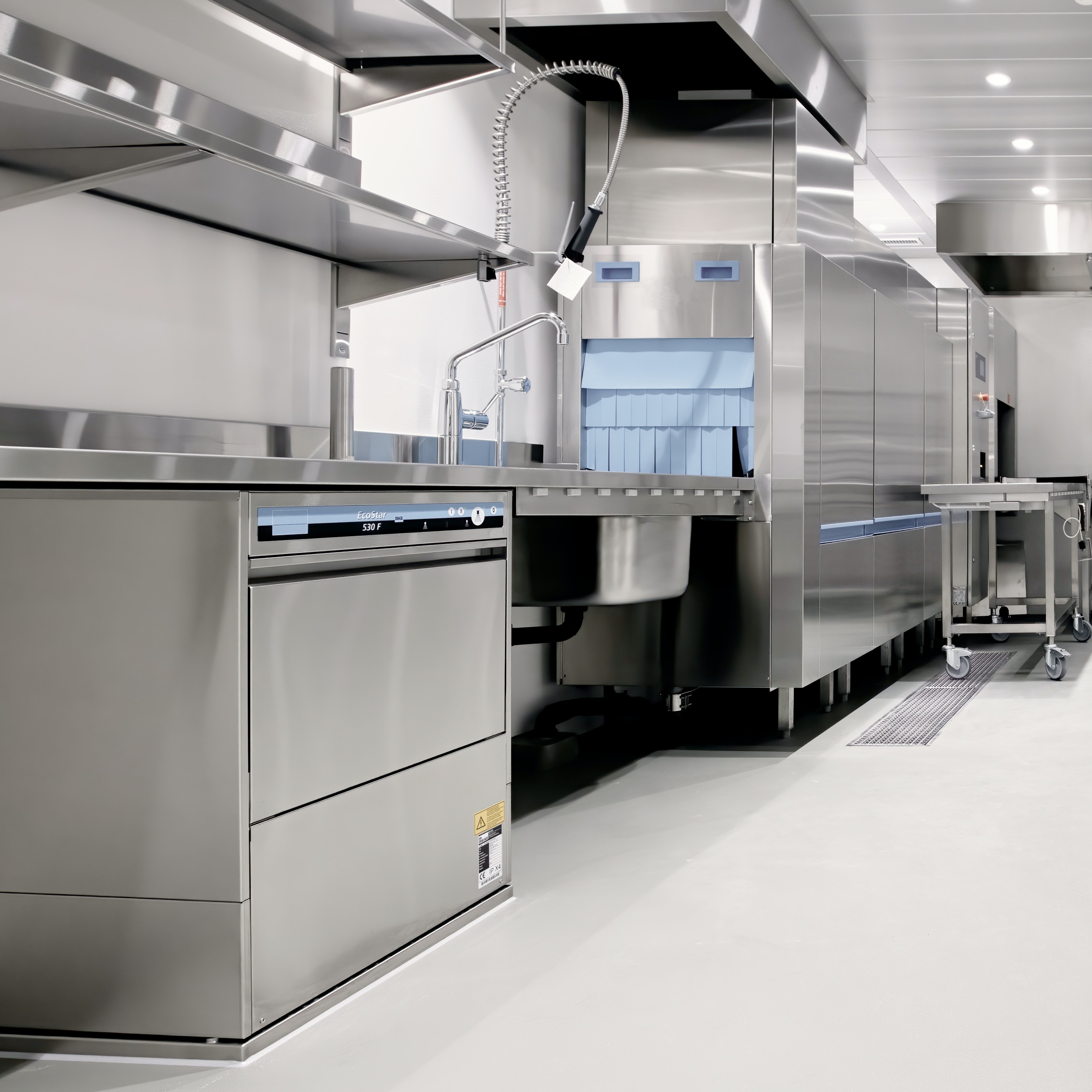
Reusable service providers offer a one-stop solution for reusable beverage and foodware. These services can be for dine-in, take-out, meal/grocery delivery, or events. They can provide inventory management, collection, washing, and sanitizing of used foodware, as well as redistribution of clean foodware.
Learn how 3 music venues swapped out their single-use cups for reusable cups by working with a reusable service provider.
More tips for a zero waste business
Recover food
- Donating food reduces food insecurity and is mandatory according to SB 1383: Food Recovery requirements.
- Explore food recovery resources: Food Waste Prevention and Food Recovery Resources in the City and County of SF.
Reduce single-use and toxic items
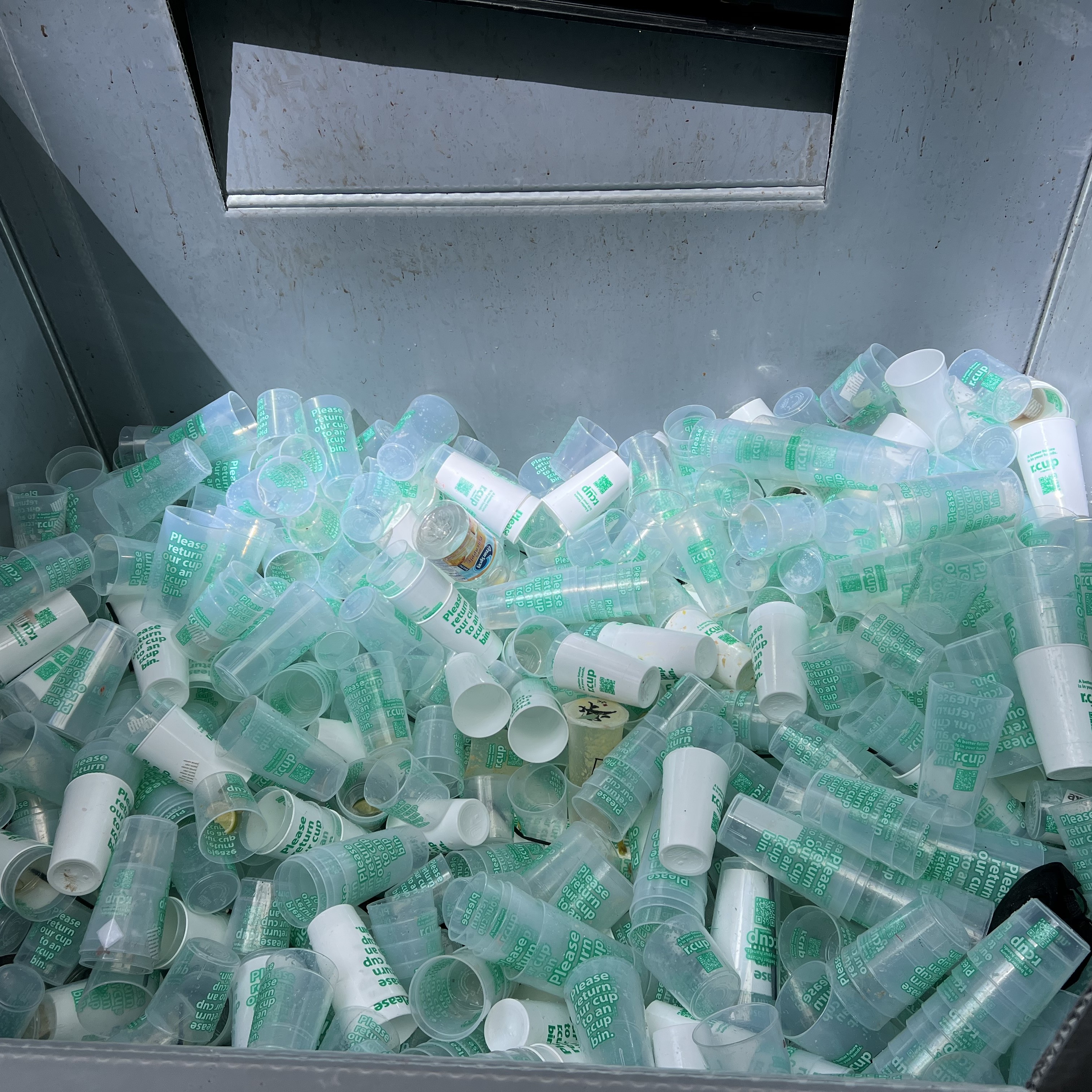
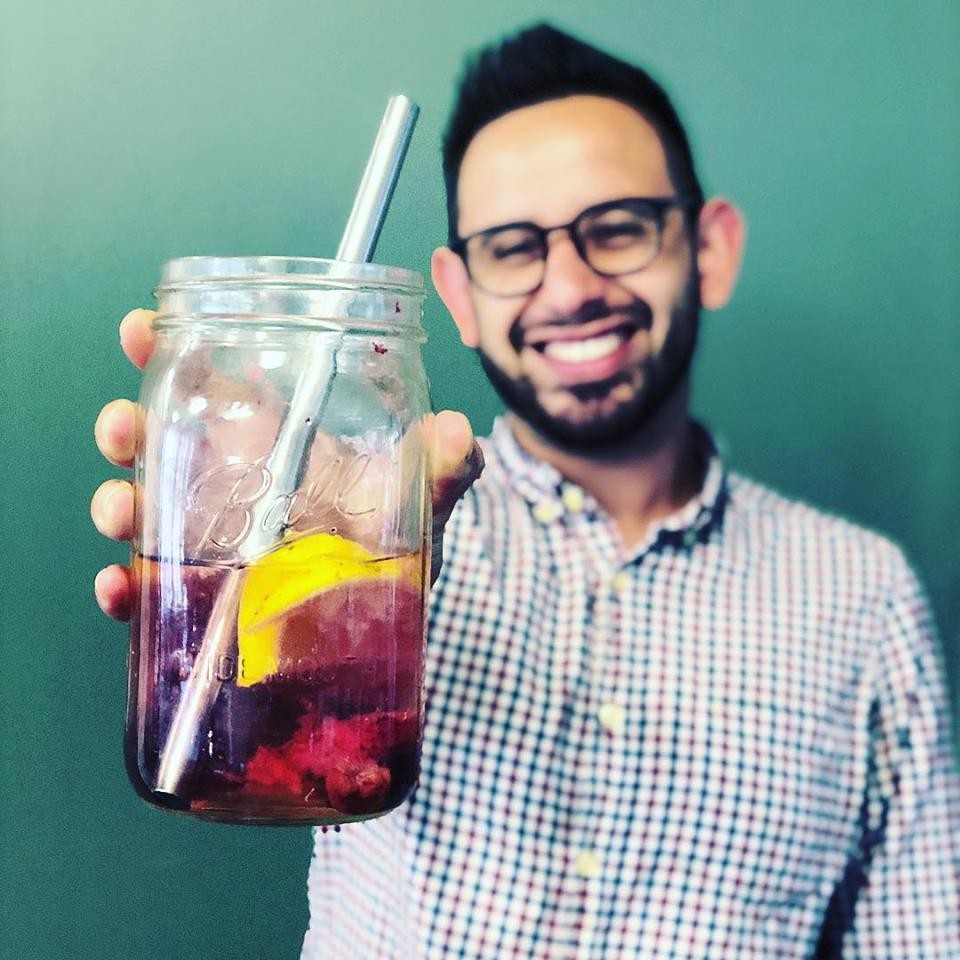
- Reduce unnecessary waste of single-use cups and accept reusables at your business. Join the Bring Your Own Cup movement! Encourage your customers to bring their own cups, and get your business listed on our map.
- Cut down on plastic pollution and eliminate toxic chemicals in foodware products: Single-use plastics, toxics, and litter reduction ordinance.
- Comply with the phase-out of polystyrene foam: Polystyrene and Food Service and Packaging Waste Reduction Ordinance.
- Supply approved pre-checkout and checkout bags to customers and reduce plastic bag waste: Checkout bag ordinance.
Recycle and compost
- All businesses in San Francisco are required to properly sort their recyclables, compostables, and trash: Recyling and composting requirements for businesses.
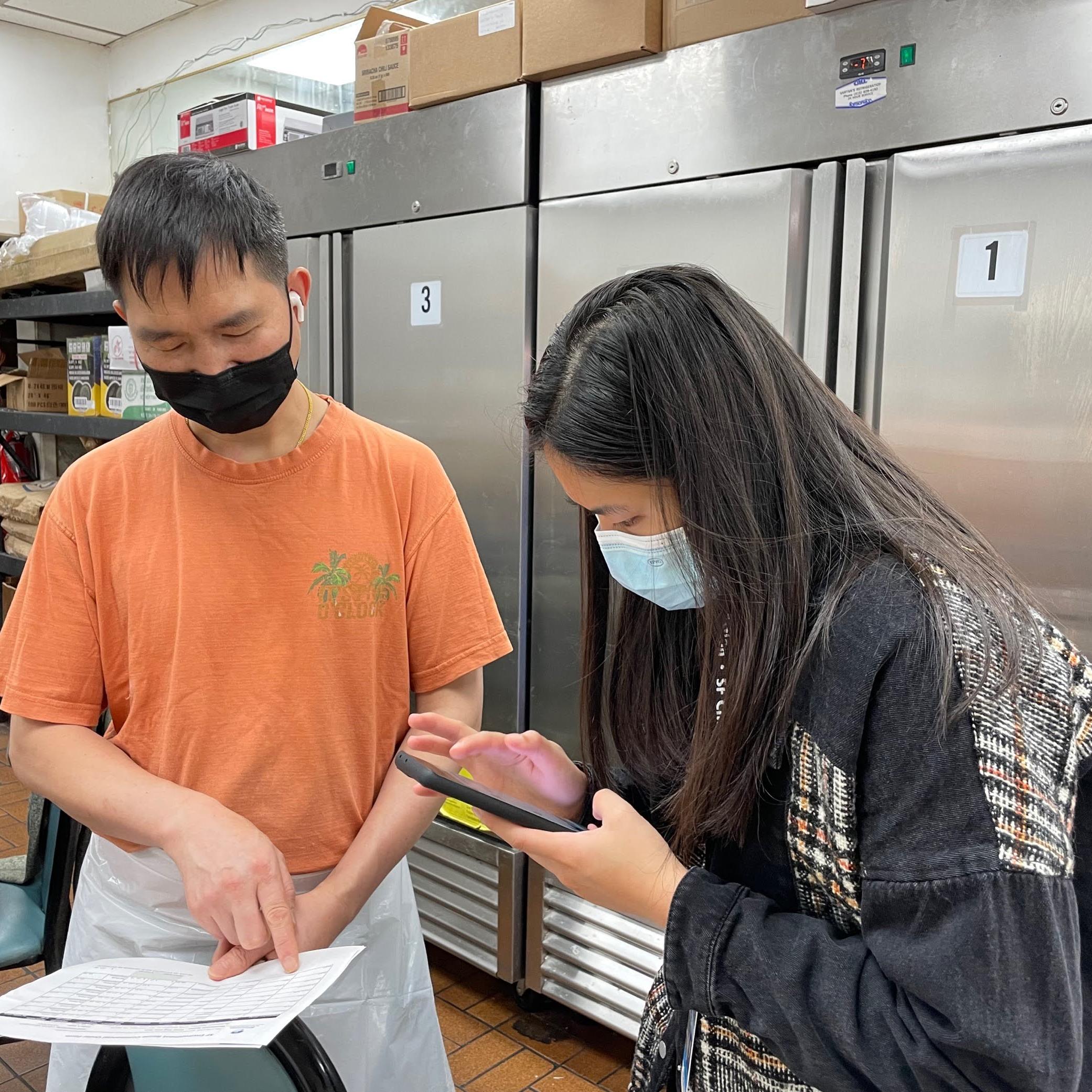
- Large refuse generators are audited every 3 years to ensure compliance with SF’s mandatory recycling and composting requirements. If they do not comply, they need to enlist a zero waste facilitator to ensure adequate refuse separation.
- In food service establishments, ensure there is proper source separation in both front and back-of-house.
- Display proper Recycling signs and use the Signmaker tool to create zero waste signage.
- Avoid contamination charges by regularly educating employees and new hires.
- Visit SF Recycles for guidance on what-goes-where for each bin.
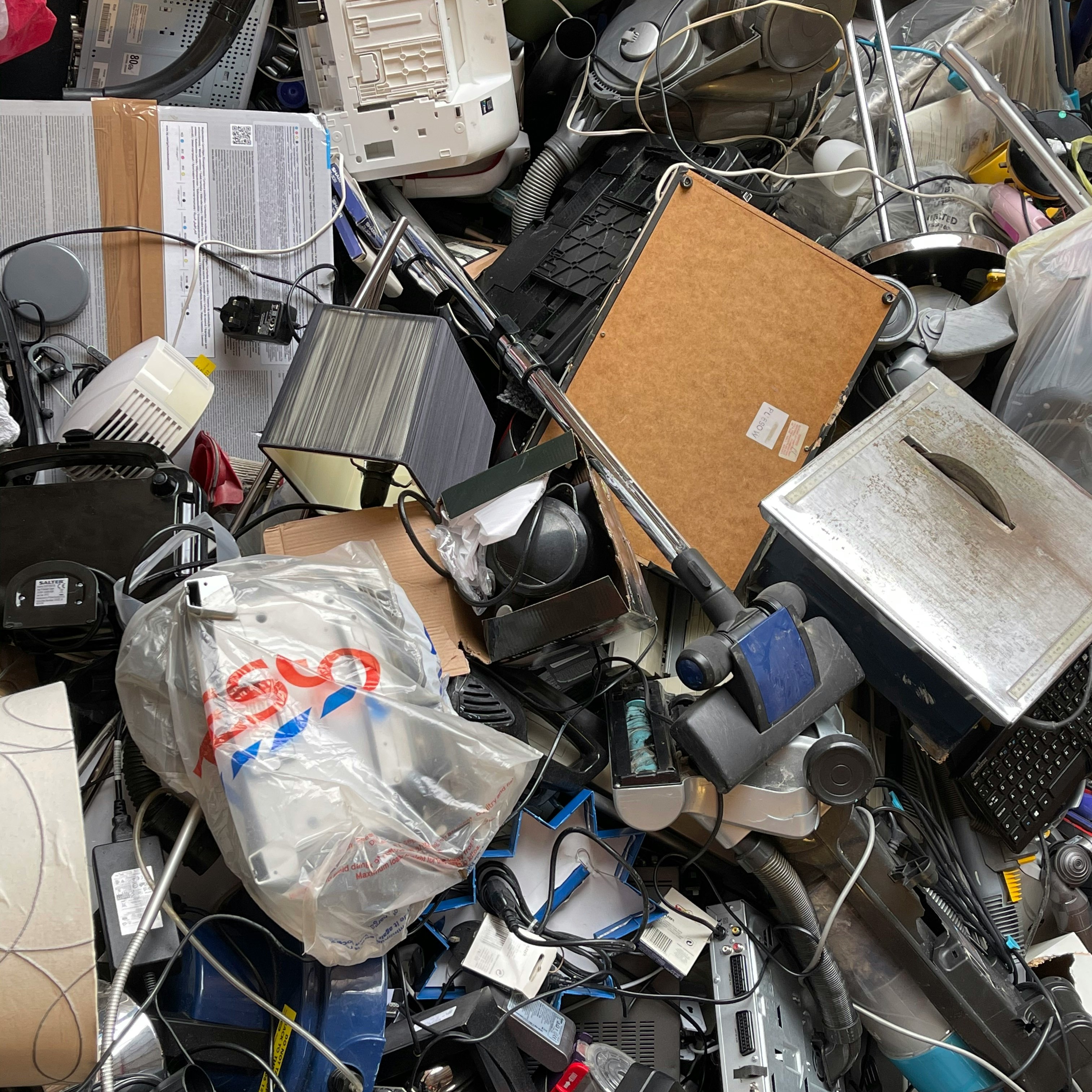
Dispose of hazardous and bulky materials responsibly
- Learn how your business can get rid of toxic products.
- Dispose of used motor oil for free at a collection center.
- Safely dispose of medicines for free at by mail or at drop-off kiosks.
- Dispose of bulky items at Recology ‘s drop-off center with certain fees and restrictions.